on
General
- Get link
- X
- Other Apps
Ancient Greek and Roman food recipes offer a fascinating glimpse into the culinary traditions of two of the most influential civilizations in history. These recipes, passed down through centuries, not only reflect the cultural values and daily lives of these societies but also provide modern cooks with an opportunity to connect with the past through their meals. From simple breads and cheeses to elaborate feasts, the flavors and techniques of ancient times continue to inspire today's kitchens. The ingredients used were often locally sourced, emphasizing seasonal produce and fresh herbs, which aligns with contemporary trends in sustainable and healthy eating. 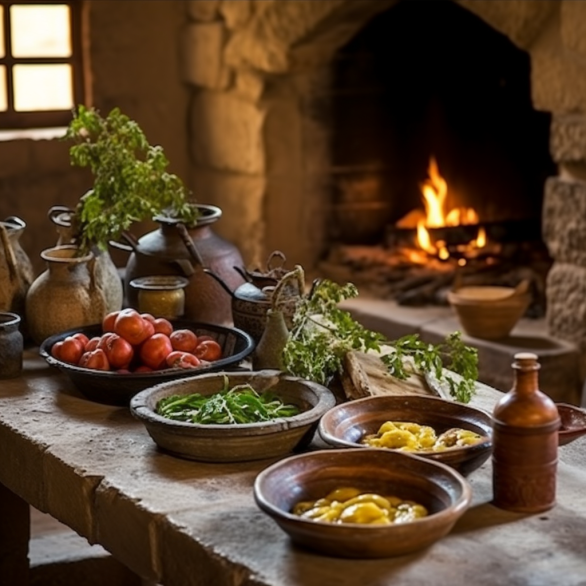
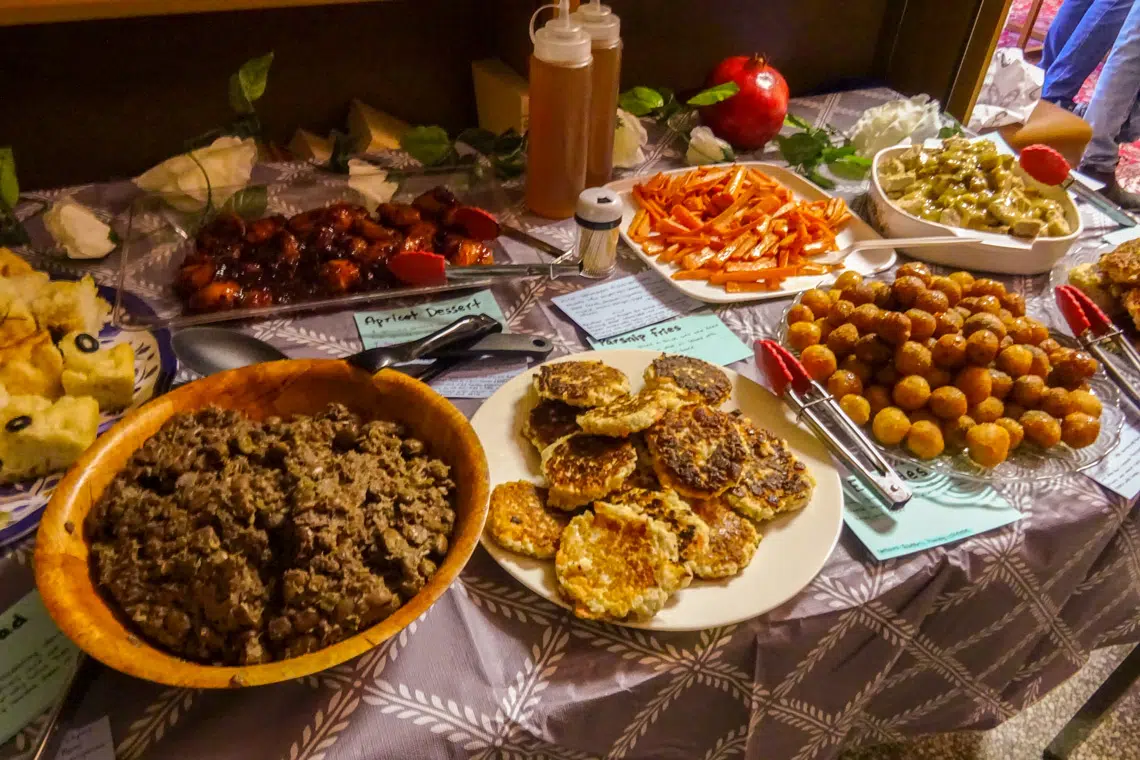
The foundation of both Greek and Roman diets was rooted in simplicity and abundance. For the Greeks, the main components of their meals included bread, olives, cheese, and wine, often accompanied by vegetables and fish. The Romans, influenced by their Greek neighbors, expanded on these basics, incorporating a wider variety of ingredients and more complex cooking methods. Grains like wheat and barley were staples, forming the basis for bread and porridge. Olive oil was not only a cooking ingredient but also a symbol of wealth and prosperity.
One of the most iconic dishes from ancient Greece is "pita," a flatbread made from simple ingredients like flour, water, and yeast. This bread was often used as a vessel for other foods, such as meats, cheeses, and vegetables. Similarly, the Romans developed "panis," a type of bread that varied in texture and flavor depending on the region. Both cultures also placed great importance on wine, which was consumed during meals and often diluted with water to prevent overindulgence.

Many of the dishes that were common in ancient times have found their way into modern cuisine, sometimes with slight modifications. One such dish is "gigantes" or "gigantes plaki," a Greek recipe featuring large white beans cooked in a tomato-based sauce. This dish, which has been enjoyed for centuries, is still popular today and can be easily adapted to suit contemporary tastes. Another favorite is "koupepia," or stuffed grape leaves, which are filled with rice, herbs, and sometimes meat. The Romans had their own version of this dish, known as "lentil paste," which was a mixture of lentils, onions, and spices.
In addition to these vegetarian dishes, both civilizations also enjoyed meat-based meals, though they were typically reserved for special occasions. The Greeks often ate lamb, goat, and fish, while the Romans had access to a wider range of meats, including pork, chicken, and even exotic animals brought from conquered territories. One of the most famous Roman dishes was "garum," a fermented fish sauce that was used as a seasoning in many recipes. Today, this condiment has seen a resurgence in popularity among food historians and adventurous chefs.
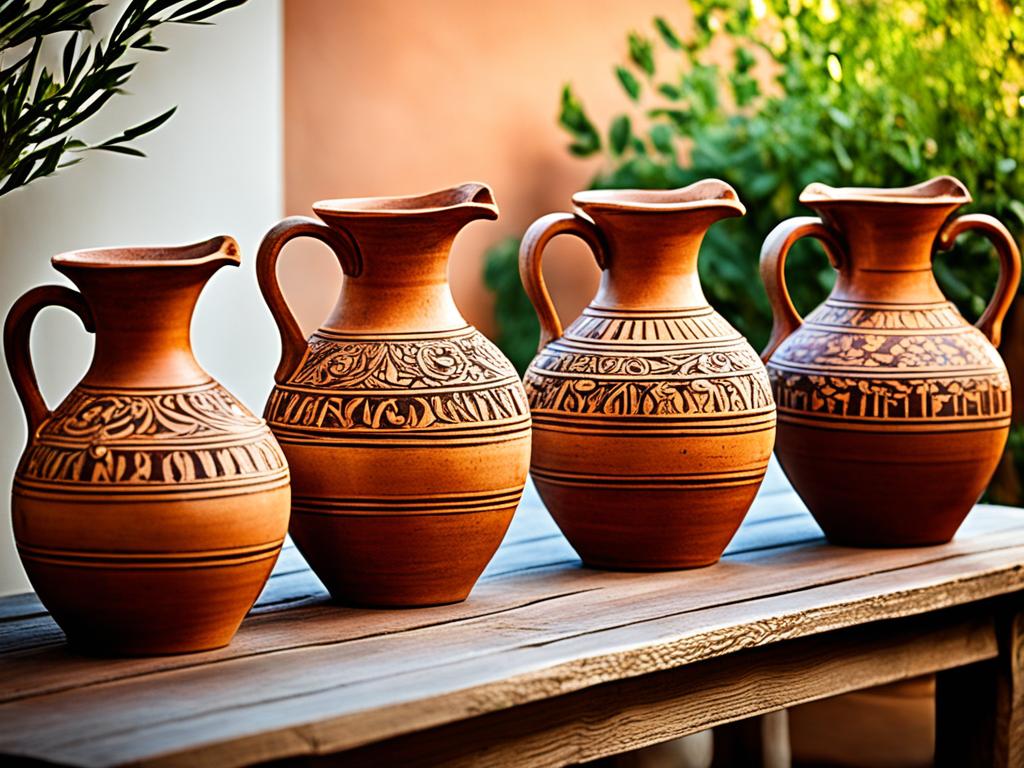
The cooking techniques used by the Greeks and Romans were relatively simple, relying on open fires, clay ovens, and stone griddles. Roasting, boiling, and baking were common methods, and the use of spices was limited compared to modern standards. However, the Greeks and Romans did experiment with various seasonings, including garlic, oregano, and cinnamon, which added depth and complexity to their dishes.
One of the most significant innovations in Roman cooking was the development of the "hypocaust" system, which allowed for the heating of bathhouses and later, the creation of more advanced ovens. This technology enabled the Romans to bake bread and cook meals more efficiently, contributing to the growth of their culinary culture. In contrast, the Greeks primarily used open hearths and clay pots, which required constant attention and careful monitoring. Despite these differences, both civilizations emphasized the importance of quality ingredients and proper preparation.

Food in ancient Greece and Rome was deeply intertwined with social and religious practices. Meals were often communal events, bringing families and friends together to share in the bounty of the land. Festivals and religious ceremonies frequently featured specific dishes that held symbolic meaning, such as offerings to the gods or celebrations of harvests. The Greeks, for example, believed that certain foods could bring good fortune or ward off evil spirits, while the Romans incorporated food into their rituals and public gatherings.
The influence of these ancient cuisines extends beyond historical interest; it continues to shape modern culinary practices. Chefs around the world draw inspiration from the simplicity and freshness of ancient recipes, incorporating them into contemporary menus. Additionally, the emphasis on whole foods, natural ingredients, and balanced meals resonates with today's health-conscious consumers. By exploring the culinary heritage of the Greeks and Romans, modern cooks can gain a deeper appreciation for the origins of their favorite dishes and the stories behind them.
Comments
Post a Comment