on
General
- Get link
- X
- Other Apps
Ancient Greek food recipes desserts offer a fascinating glimpse into the culinary traditions of one of the most influential civilizations in history. These sweet treats, often made with simple ingredients and prepared using time-honored methods, reflect the cultural and agricultural practices of ancient Greece. From honey-based confections to fruit-filled pastries, these desserts were not only enjoyed for their flavor but also held symbolic significance in religious and social rituals. Today, many of these recipes have been preserved through historical texts, archaeological findings, and modern adaptations that keep the flavors of antiquity alive. Understanding these desserts provides insight into the daily lives, values, and customs of the ancient Greeks.
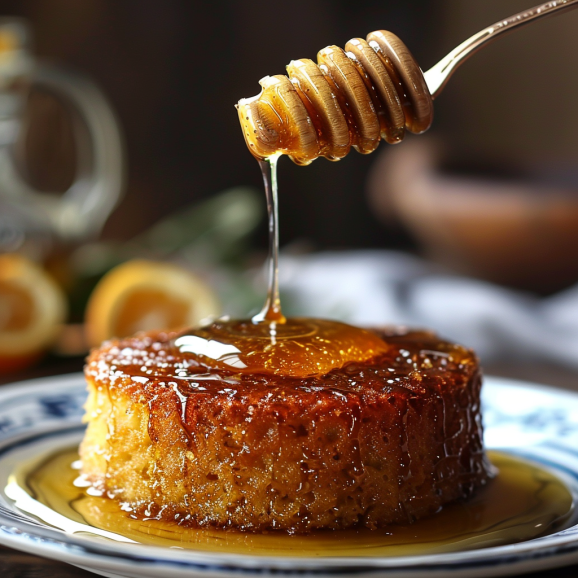
Honey was the primary sweetener used in ancient Greek desserts, as sugar was not available during this period. It was highly valued not only for its sweetness but also for its medicinal properties and its role in religious offerings. Recipes from ancient texts such as those by the physician Galen and the poet Hesiod describe various ways honey was incorporated into desserts. One of the most common preparations was melomeli, a type of honey cake made by combining honey with flour, nuts, and spices. This dessert was often served at banquets and festivals, symbolizing prosperity and abundance.
Another popular treat was papyros, a thin, layered pastry similar to modern-day baklava. Made with layers of dough, nuts, and honey, papyros was a luxurious dessert reserved for special occasions. The use of nuts, particularly almonds and walnuts, highlighted the importance of local agriculture in Greek cuisine. These ingredients were often combined with dried fruits like figs and dates to create a rich, textured dessert. The combination of sweet and savory elements in these recipes showcases the sophistication of ancient Greek cooking.

Fruits played a significant role in ancient Greek desserts, especially in regions where olive trees and grapevines thrived. Grapes, figs, and pomegranates were commonly used to make desserts that were both nutritious and flavorful. One of the most famous fruit-based desserts was sikera, a type of wine-soaked bread that was often consumed during symposia, which were social gatherings where men discussed philosophy, politics, and art. This dessert was believed to enhance the experience of drinking wine and was considered a refined indulgence.
Another notable dessert was koukoulithres, a type of fried doughnut filled with honey or cheese. These were often eaten during religious festivals and celebrations, emphasizing the connection between food and spiritual practices. The preparation of koukoulithres required skill and precision, as the dough had to be carefully shaped and deep-fried to achieve the perfect texture. This dessert is still enjoyed today in some parts of Greece, albeit with modern variations.
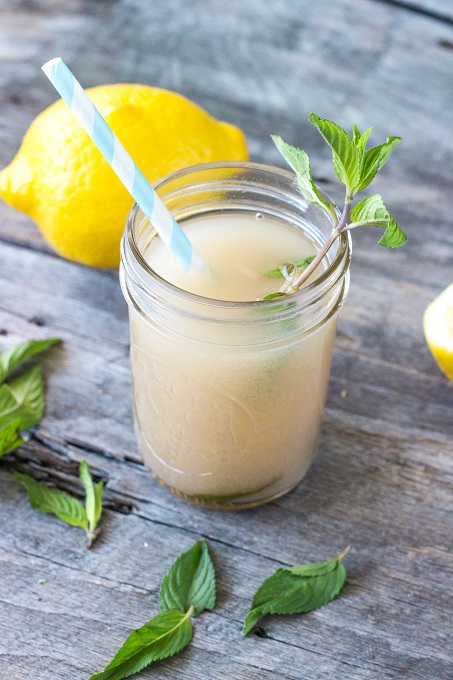
Many ancient Greek desserts were inspired by mythology and were associated with specific deities. For example, panettone—a beloved Italian dessert—is believed to have roots in ancient Greek recipes, though it became more prominent in later centuries. However, earlier desserts like kykeon, a drink made from barley, water, and herbs, were often linked to religious rituals. Kykeon was consumed during the Eleusinian Mysteries, a sacred festival honoring the goddess Demeter. While not a dessert in the traditional sense, it highlights how food and drink were deeply intertwined with spiritual beliefs.
Similarly, plakountos, a type of honey-sweetened bread, was associated with the god Dionysus, the patron of wine and revelry. This dessert was often served at festivals celebrating his cult, reinforcing the idea that food was a central part of religious and communal life. The symbolism of these desserts extended beyond mere sustenance, reflecting the values and beliefs of ancient Greek society.

While many ancient Greek desserts have remained largely unchanged, some have been adapted to suit modern tastes and dietary preferences. Chefs and home cooks alike are rediscovering these traditional recipes, incorporating them into contemporary cuisine. For example, baklava has become a global favorite, with variations found in countries around the world. However, the original version, made with layers of phyllo dough, nuts, and honey, remains a testament to the craftsmanship of ancient Greek bakers.
In addition, modern chefs are experimenting with ancient ingredients to create new twists on classic desserts. Using ingredients like saffron, sesame seeds, and citrus zest, they are reviving the flavors of antiquity while making them accessible to a wider audience. These adaptations not only preserve the legacy of ancient Greek desserts but also ensure their continued relevance in today’s culinary landscape.

Ancient Greek food recipes desserts reveal a rich tapestry of flavors, traditions, and cultural significance. From honey-based cakes to fruit-filled pastries, these sweet treats were an integral part of daily life and religious practices. The use of natural ingredients, combined with meticulous preparation techniques, highlights the ingenuity of ancient Greek cuisine. As modern chefs continue to explore and adapt these recipes, the legacy of ancient Greek desserts lives on, offering a delicious connection to the past. Whether enjoyed as a historical curiosity or a modern delicacy, these desserts remain a testament to the enduring influence of Greek culinary traditions.
Comments
Post a Comment