on
General
- Get link
- X
- Other Apps
Ancient Greek food recipes offer a fascinating glimpse into the culinary traditions of one of the world's most influential civilizations. Rooted in history and shaped by the region's geography, these recipes reflect the daily lives, cultural values, and social customs of ancient Greeks. From simple meals to elaborate feasts, the food of ancient Greece was not only nourishing but also deeply symbolic. By exploring these recipes, modern cooks can connect with a legacy that has influenced Mediterranean cuisine for thousands of years. The ingredients used in ancient Greek cooking were often locally sourced, emphasizing seasonal produce, grains, and olive oil. This approach to food not only ensured sustainability but also highlighted the importance of balance and simplicity in their diet.

The foundation of ancient Greek cuisine was built on a few key ingredients that formed the basis of nearly every meal. Bread, made from barley or wheat, was a staple, often served with olives, cheese, and fresh vegetables. Olive oil was another essential component, used not only for cooking but also for preserving food and as a condiment. Figs, grapes, and other fruits were commonly consumed, either fresh or dried, while honey was a popular sweetener. These ingredients were readily available in the Mediterranean climate, making them central to the Greek diet.

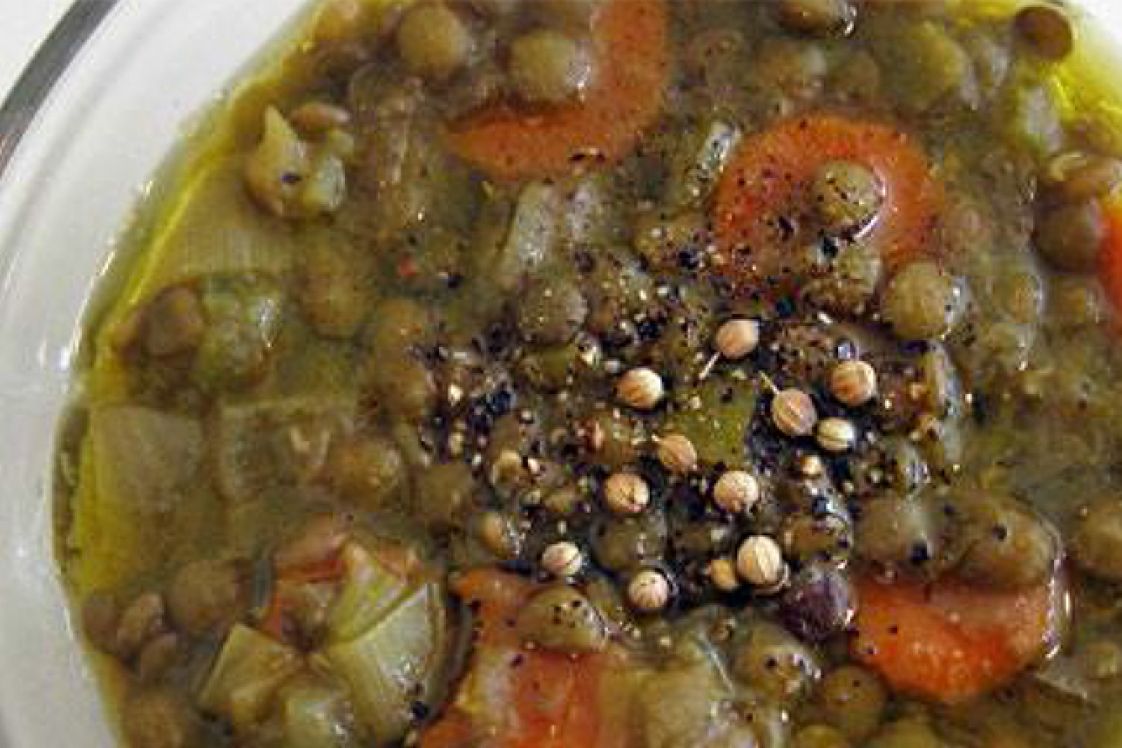
Many of the dishes that defined ancient Greek cuisine are still enjoyed today, albeit with modern twists. One such dish is "pultes," a type of porridge made from barley or wheat, often flavored with herbs and spices. Another popular dish was "sphouga," a thick soup made from lentils, which was both nutritious and filling. Cheese, particularly from sheep or goats, was a common protein source, often paired with bread or fruit. Meat, while less frequent due to its higher cost, was sometimes included in special occasions or religious festivals. These meals were not just about sustenance; they were integral to social gatherings, religious rituals, and communal life.
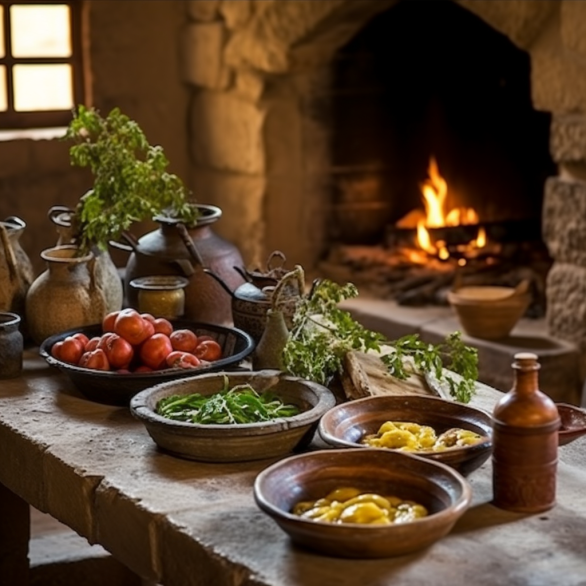
Feasting played a significant role in ancient Greek culture, especially during religious festivals and public celebrations. The "symposion" was a gathering where men would recline on couches, drink wine, and engage in philosophical discussions. These events often featured a variety of foods, including roasted meats, cheeses, and desserts like honey cakes. Another important festival was the Panathenaic Festival, which honored the goddess Athena and included large communal meals. These feasts were not only about indulgence but also about reinforcing social bonds and honoring the gods.
Ancient Greeks relied on simple yet effective cooking techniques that have stood the test of time. Boiling, roasting, and baking were common methods, often using clay pots, open fires, or stone ovens. Grilling over an open flame was also popular, especially for meats and vegetables. The use of spices was limited compared to modern times, with herbs like oregano, thyme, and dill being more commonly used. However, the emphasis on fresh, high-quality ingredients allowed for rich flavors without the need for excessive seasoning.
In recent years, there has been a growing interest in reviving ancient Greek food recipes, driven by a desire to connect with historical roots and promote sustainable eating. Chefs and home cooks alike are experimenting with traditional methods and ingredients, creating dishes that honor the past while adapting to contemporary tastes. For example, many modern recipes now incorporate quinoa or legumes as substitutes for ancient grains, making them more accessible to a global audience. This revival not only preserves culinary heritage but also highlights the timeless appeal of Greek cuisine.
For those interested in recreating ancient Greek food at home, starting with basic ingredients is key. Focus on whole grains like farro or bulgur, and use olive oil as a primary fat. Incorporate fresh herbs and seasonal vegetables to mimic the flavors of the past. When possible, try to use local and organic produce to stay true to the principles of ancient Greek cooking. Additionally, experimenting with fermentation techniques, such as making homemade yogurt or pickled vegetables, can add depth to your meals. With a little creativity and a focus on simplicity, anyone can experience the flavors of ancient Greece.
Comments
Post a Comment