on
General
- Get link
- X
- Other Apps
Ancient Greek recipes offer a fascinating glimpse into the culinary traditions of one of the world's most influential civilizations. While these dishes may have been crafted thousands of years ago, many of them can still be recreated in modern kitchens with simple ingredients and techniques. The ancient Greeks placed great importance on food, not only as sustenance but also as a means of social interaction and cultural expression. Their diet was largely plant-based, featuring staples like olives, bread, cheese, and fish, often seasoned with herbs and olive oil. This article explores some of the most iconic ancient Greek recipes that you can easily prepare at home today, bringing a taste of antiquity into your modern kitchen. 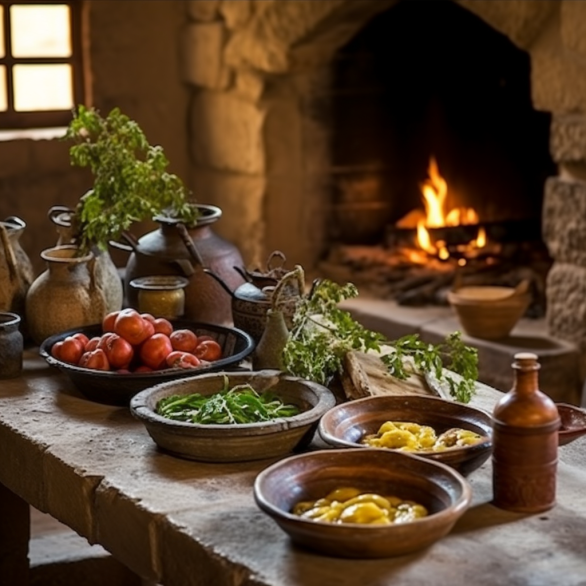

The foundation of the ancient Greek diet revolved around three key components: bread, wine, and olive oil. These elements were considered essential for both nutrition and religious rituals. Bread, made from wheat or barley, was a staple food that accompanied nearly every meal. It was often baked in clay ovens and served with various accompaniments such as cheese, honey, or fruits. Olive oil, another cornerstone of the Greek diet, was used not only for cooking but also for dressing salads and preserving foods. Wine, typically diluted with water, was consumed during meals and played a significant role in social gatherings and religious ceremonies.
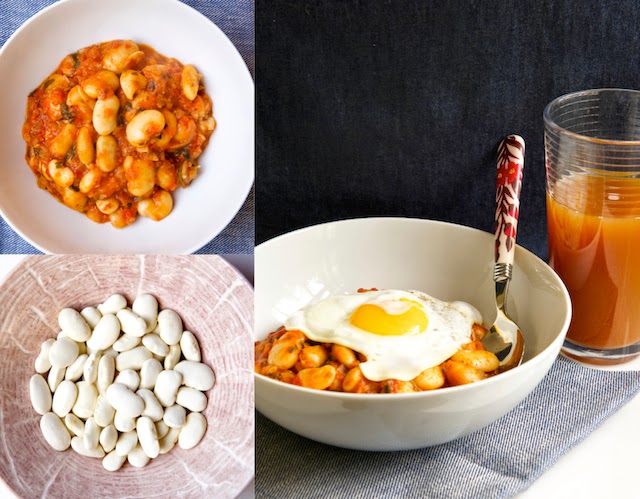
One of the most famous ancient Greek dishes is "Pekte", a type of porridge made from barley or wheat. This dish was commonly eaten by farmers and laborers due to its simplicity and nutritional value. To recreate it at home, you can use a combination of grains, such as barley or farro, and simmer them in water or broth until tender. Add a touch of honey or cinnamon for flavor, and enjoy it as a warm breakfast or light meal. Another popular dish was "Gigantes", a hearty stew made with large white beans, tomatoes, garlic, and herbs. This dish is similar to modern-day bean soups and can be easily prepared using canned or dried beans.
For those who enjoy seafood, "Soutzoukakia" is a traditional Greek recipe that has roots in antiquity. This dish consists of small meatballs made from lamb or beef, cooked in a tomato-based sauce and served over rice or pasta. While the original version may have included different spices, the modern adaptation retains the essence of this flavorful dish. Another seafood favorite was "Moussaka", which, although more commonly associated with later Greek cuisine, has ancient origins. The dish features layers of eggplant, ground meat, and a creamy béchamel sauce, offering a rich and satisfying meal.

Ancient Greeks were known for their use of herbs and spices to enhance the flavors of their food. Common ingredients included oregano, thyme, dill, and coriander, which were used to season vegetables, meats, and even desserts. One such dessert was "Honey Cake", a sweet treat made from flour, honey, and nuts. This cake was often enjoyed during festivals and religious celebrations. To make a simplified version at home, mix flour, honey, and chopped nuts, then bake until golden brown. Another popular spice blend was "Kamoule", a mixture of dried herbs and spices used to season meats and vegetables. This blend can be recreated using a combination of oregano, thyme, and marjoram.

While many ancient Greek recipes have been adapted over time, they continue to hold cultural significance and are often featured in modern Greek cuisine. Chefs and home cooks alike are rediscovering the simplicity and health benefits of these traditional dishes. For example, "Spanakopita", a savory pie filled with spinach and feta cheese, has its roots in ancient Greece and remains a beloved dish today. Similarly, "Fava", a pureed yellow split pea dish, is a staple in Greek households and is often served as a side or appetizer. These recipes not only connect us to the past but also highlight the enduring appeal of Greek culinary traditions.
To successfully recreate ancient Greek recipes at home, start by sourcing authentic ingredients whenever possible. Look for whole grains, fresh herbs, and high-quality olive oil to capture the true flavors of the past. Experiment with traditional cooking methods, such as baking in clay pots or using open-fire grills, to add an extra layer of authenticity. Additionally, consider the context in which these dishes were originally prepared—many were enjoyed in communal settings, making them perfect for family dinners or gatherings with friends. By embracing the spirit of ancient Greek cuisine, you can bring a piece of history into your kitchen while enjoying delicious and nutritious meals.
Comments
Post a Comment