on
General
- Get link
- X
- Other Apps
Classic Greek Moussaka is a beloved dish that has been passed down through generations, offering a rich blend of flavors and cultural significance. This hearty meal, traditionally made with layers of eggplant, minced meat, and a creamy béchamel sauce, is a staple in Greek households and restaurants alike. Its origins can be traced back to the Ottoman Empire, where similar dishes were popular, but it was in Greece that moussaka evolved into the iconic recipe we know today. The dish reflects the country's deep culinary roots and its love for bold, comforting food. Whether enjoyed during family gatherings or as a special treat, moussaka brings people together with its delicious taste and nostalgic appeal. 
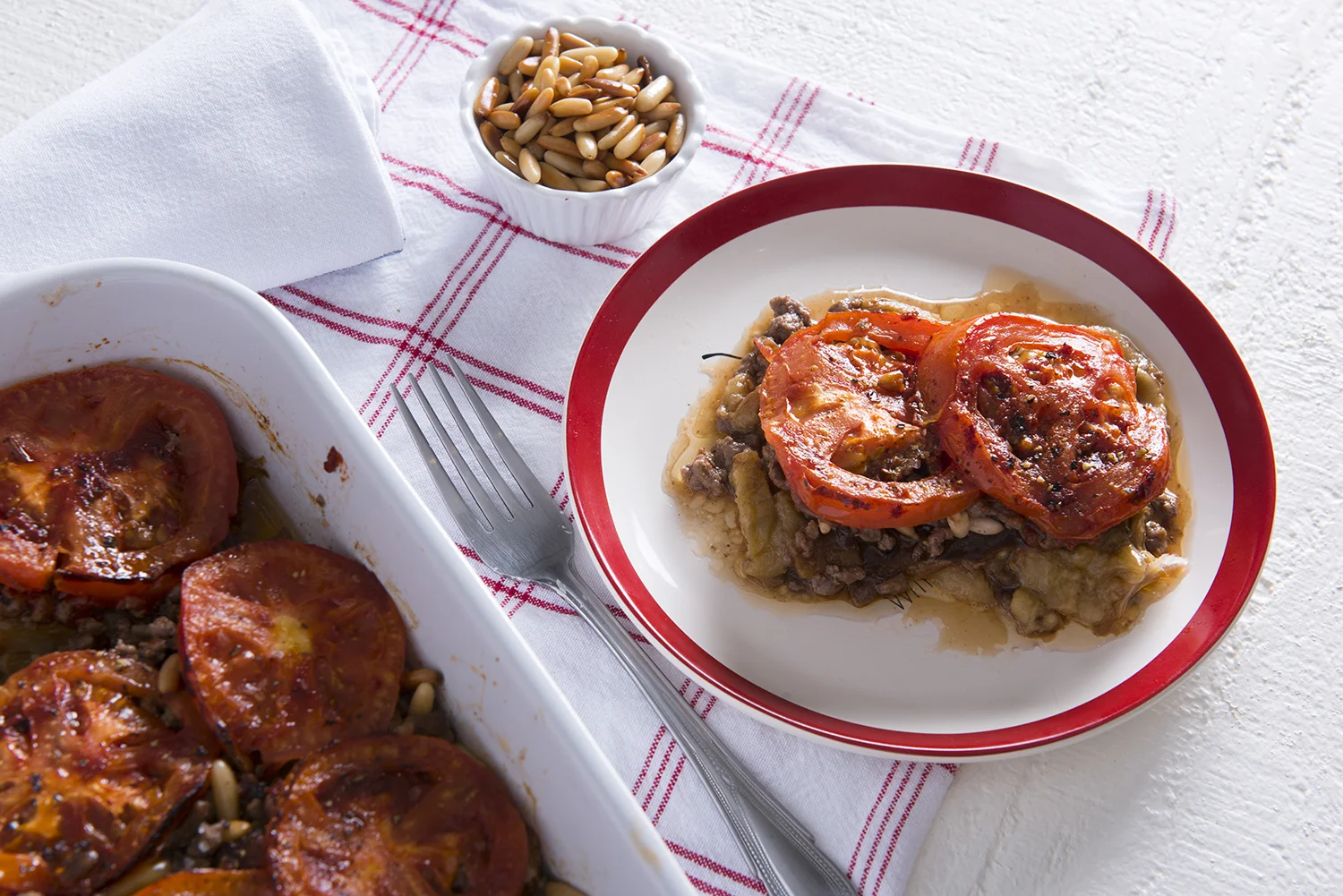
Moussaka has a long and storied history, with its earliest references dating back to the 17th century. While the exact origins are debated, many believe that the dish was influenced by Middle Eastern and Turkish cuisines, which were introduced to Greece during the Ottoman rule. Over time, Greek cooks adapted the recipe, incorporating local ingredients and techniques to create the version that is now synonymous with Greek cuisine. The name "moussaka" itself is derived from the Greek word "mousikos," meaning "musical," though the exact reason for this name remains unclear. Some theories suggest it refers to the smooth texture of the dish, while others claim it relates to the way the layers blend together seamlessly. Regardless of its etymology, moussaka has become an essential part of Greek culinary identity.
The foundation of a perfect moussaka lies in its ingredients, each playing a crucial role in delivering its signature flavor. The first layer consists of thinly sliced eggplant, which is often salted and fried or baked to achieve a tender texture. This step helps remove excess moisture and enhances the eggplant's natural sweetness. Next, a rich meat sauce is added, typically made with ground lamb or beef, sautéed onions, garlic, tomatoes, and a mix of aromatic herbs such as cinnamon, allspice, and oregano. This layer adds depth and heartiness to the dish. Finally, a velvety béchamel sauce, made from butter, flour, milk, and a touch of nutmeg, is spread over the top. The combination of these elements creates a harmonious balance of savory, creamy, and slightly sweet flavors that define moussaka.
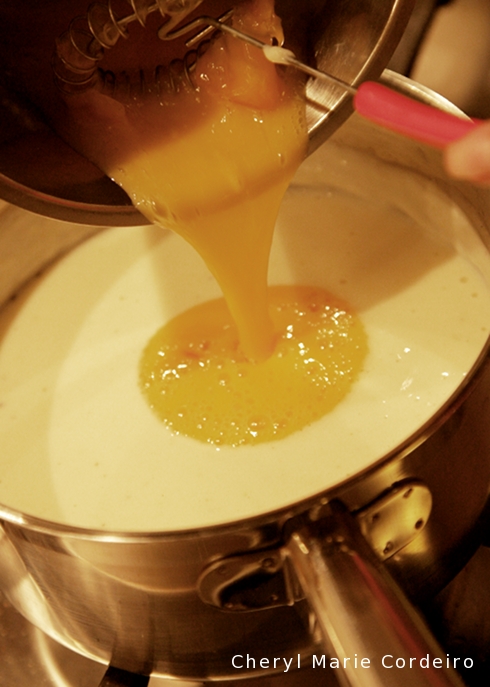
Preparing moussaka may seem daunting at first, but with the right approach, it becomes a rewarding cooking experience. Begin by preheating the oven to 375°F (190°C). Slice the eggplants into thin rounds and place them on a baking sheet. Sprinkle with salt and let them sit for about 20 minutes to draw out any bitterness. Rinse the eggplant slices and pat them dry. In a large skillet, heat some olive oil and cook the onions until they are soft and golden. Add the ground meat and cook until browned, then stir in garlic, tomatoes, and spices. Let the sauce simmer for a few minutes to allow the flavors to meld. Once the meat sauce is ready, arrange the eggplant slices in a single layer in a baking dish. Spread the meat sauce over the eggplant, and then pour the béchamel sauce on top. Bake for approximately 25–30 minutes until the top is golden and bubbly. Let the moussaka rest for a few minutes before serving.

Moussaka is best served warm, allowing the flavors to fully develop and the textures to shine. It pairs beautifully with a fresh green salad, crusty bread, or a glass of red wine. For a more traditional experience, serve it alongside a side of tzatziki or a simple tomato and cucumber salad. Some variations of moussaka include potatoes instead of eggplant, creating a different but equally satisfying dish. However, the classic version with eggplant remains the most popular. Whether enjoyed at home or in a restaurant, moussaka is a testament to the enduring power of food to connect people across cultures and time.
In conclusion, classic Greek moussaka is more than just a meal—it is a celebration of tradition, flavor, and heritage. From its historical roots to its carefully balanced ingredients, every aspect of this dish tells a story of Greek culinary artistry. By following a simple yet precise preparation method, anyone can recreate this beloved recipe in their own kitchen. Whether you're a seasoned cook or a beginner, making moussaka is a delightful way to explore the richness of Greek cuisine. With its comforting warmth and vibrant taste, moussaka continues to bring joy to those who enjoy it, preserving a piece of Greek culture for generations to come.
Comments
Post a Comment