on
General
- Get link
- X
- Other Apps
Classic Greek recipes have captivated food lovers around the world with their rich flavors, fresh ingredients, and deep cultural roots. From hearty stews to delicate pastries, these dishes offer a taste of Greece that can be easily recreated in your own kitchen. Whether you're a seasoned cook or just starting out, there's something for everyone in this vibrant culinary tradition. By exploring these classic Greek recipes, you'll not only enjoy delicious meals but also connect with a centuries-old heritage that continues to inspire modern cooking.

Greek cuisine is known for its simplicity, using high-quality ingredients that highlight natural flavors. Olive oil, fresh vegetables, legumes, and herbs form the foundation of many traditional dishes. This approach emphasizes balance and health, making Greek food both satisfying and nourishing. One of the most iconic elements of Greek cooking is the use of olive oil, which serves as a base for many recipes and adds a distinct, fruity flavor. Another key ingredient is feta cheese, often used in salads, dips, and baked dishes. These staples, along with garlic, oregano, and lemon, create the signature taste of Greek cuisine.

There are countless Greek recipes that are worth trying at home, but some stand out for their popularity and ease of preparation. One of the most beloved dishes is Moussaka, a layered casserole made with eggplant, ground meat, and a creamy béchamel sauce. This dish is a staple in Greek households and showcases the country's love for comfort food. Another favorite is Spanakopita, a savory pastry filled with spinach and feta cheese. Its flaky layers and rich filling make it a perfect snack or appetizer.
For those who prefer seafood, Grilled Octopus is a must-try. This dish features tender octopus served with a simple dressing of olive oil, lemon, and herbs. It's a great example of how Greek cuisine celebrates the bounty of the sea. Additionally, Fava, a smooth puree made from yellow split peas, is a traditional dish that highlights the importance of legumes in Greek cooking. These recipes are not only flavorful but also easy to adapt to different dietary preferences.

Many classic Greek recipes rely on time-honored cooking techniques that enhance their flavors. For instance, roasting is commonly used for meats and vegetables, allowing them to develop a rich, caramelized exterior. Stewing is another popular method, particularly for dishes like Avgolemono, a comforting soup made with chicken, rice, and a tangy lemon-egg sauce. This technique allows the ingredients to meld together, creating a deep and complex flavor.
Baking is also a key component of Greek cooking, especially when it comes to breads and pastries. Pita bread is a staple in Greek households, often used to wrap up salads, soups, or grilled meats. Another well-known baked dish is Tiropita, a cheese-filled pastry that is similar to spanakopita but with a different filling. These techniques not only preserve the integrity of the ingredients but also add depth to the final dish.

Greece is a country with diverse regions, each offering its own unique take on traditional recipes. In the northern part of the country, Souvlaki is a popular street food made with marinated meat skewers grilled to perfection. In contrast, the southern islands often feature more seafood-based dishes, such as Baklava, a sweet pastry filled with nuts and honey. These regional variations reflect the local availability of ingredients and the influence of neighboring cultures.
Another notable regional dish is Kleftiko, a slow-cooked lamb dish that is typically prepared in a clay pot. This method allows the meat to become tender and infused with the flavors of garlic, oregano, and wine. Similarly, Gigantes, a hearty bean stew, is a common meal in rural areas, where it is often served with crusty bread. Exploring these regional differences can help you discover new favorites and appreciate the diversity within Greek cuisine.
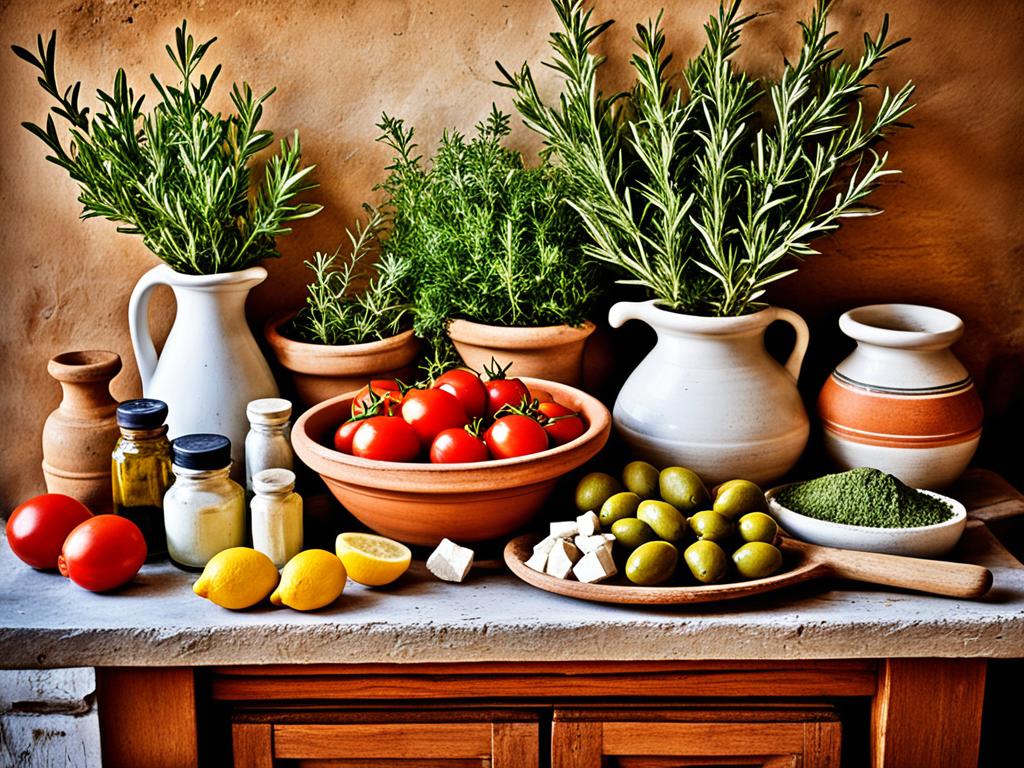
To recreate authentic Greek recipes at home, it's essential to use quality ingredients and follow traditional methods. Start by sourcing fresh produce, such as tomatoes, cucumbers, and bell peppers, which are commonly used in Greek salads and other dishes. Choose high-quality olive oil, as it plays a central role in many recipes. Additionally, opt for whole grains like bulgur or farro, which are often used in grain-based dishes.
Another tip is to experiment with herbs and spices, such as dill, parsley, and cinnamon, which are frequently used in Greek cooking. These ingredients add depth and complexity to the dishes. Finally, don't be afraid to embrace the slow cooking process, as many Greek recipes benefit from a little extra time to develop their flavors. With these tips, you'll be well on your way to mastering the art of Greek cooking.
Comments
Post a Comment