on
General
- Get link
- X
- Other Apps
Greek food and recipes have long been celebrated for their vibrant flavors, fresh ingredients, and deep cultural roots. Rooted in the Mediterranean diet, Greek cuisine emphasizes simplicity, balance, and the use of high-quality, locally sourced components. From hearty stews to delicate pastries, every dish tells a story of tradition, history, and regional diversity. Whether you're a seasoned cook or a curious beginner, exploring Greek food offers a delicious journey into one of the world's most beloved culinary traditions. 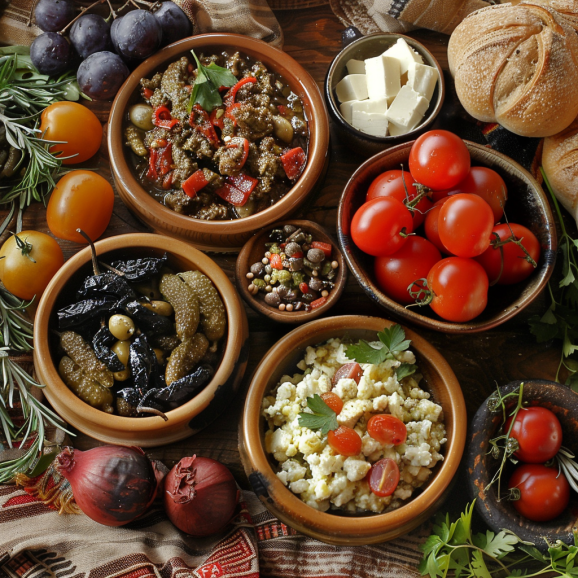

At the heart of Greek cooking are staples that form the backbone of countless dishes. Olive oil is the cornerstone, used in everything from salads to frying. Fresh vegetables like tomatoes, cucumbers, eggplants, and zucchini are commonly featured, often grilled, roasted, or raw. Legumes such as lentils, chickpeas, and fava beans provide protein and fiber, while grains like bulgur and barley are essential in dishes like pilaf and soups.
One of the most iconic elements of Greek cuisine is the use of herbs and spices. Oregano, thyme, dill, and parsley are frequently used to enhance the natural flavors of ingredients. Garlic, lemon juice, and capers add depth and brightness, while feta cheese and yogurt bring creamy textures and tangy notes. These ingredients come together to create a harmonious balance that defines the essence of Greek food.

Greek cuisine is rich with dishes that reflect the country's history and geography. One of the most well-known is moussaka, a layered casserole made with eggplant, ground meat, and a béchamel sauce. This dish has origins in both the Ottoman Empire and the Levant, showcasing the influence of neighboring cultures. Another favorite is souvlaki, which consists of skewered and grilled meat served with pita bread, tzatziki, and fresh vegetables. It’s a staple at street food stalls and family gatherings alike.
Spanakopita and tiropita are two beloved pastries that highlight the versatility of Greek dough. Spanakopita is filled with spinach and feta, while tiropita uses only cheese. Both are flaky, buttery, and perfect for snacking or as part of a larger meal. In addition, dolmades—grape leaves stuffed with rice, herbs, and sometimes meat—are a popular appetizer that showcases the region's agricultural bounty.

Given Greece’s extensive coastline, seafood plays a significant role in its cuisine. Fresh fish like sea bream, octopus, and squid are often grilled, baked, or sautéed with simple seasonings. A classic dish is saganaki, which features fried cheese, typically served with a squeeze of lemon. Another favorite is gemista, where vegetables are stuffed with a mixture of rice, herbs, and sometimes meat, then baked to perfection.
Seafood also features in soups and stews, such as avgolemono, a comforting broth made with chicken, lemon, and eggs. These dishes not only highlight the freshness of the ingredients but also emphasize the importance of seasonal and local produce in Greek cooking.

No discussion of Greek food would be complete without mentioning its desserts. Baklava, a sweet pastry made of layers of phyllo dough, nuts, and honey, is one of the most famous. Another favorite is kougelhopf, a soft, fluffy cake often enjoyed with coffee or tea. Loukoumades, small fried dough balls soaked in syrup and sprinkled with cinnamon, are a treat that has been enjoyed for centuries.
These desserts are often prepared during special occasions, such as weddings, festivals, and religious holidays. They reflect the Greek love for indulgence and celebration, making them an integral part of the country's culinary heritage.
For those looking to bring the flavors of Greece into their own kitchens, there are several key tips to keep in mind. First, use fresh, high-quality ingredients whenever possible. Look for extra virgin olive oil, fresh herbs, and organic vegetables. Second, don’t be afraid to experiment with bold flavors. Greek cuisine relies on the natural taste of ingredients, so minimal seasoning can often be more effective. Third, invest in a good set of knives and a sharp grater for preparing herbs and cheeses. Finally, take the time to learn about the history and culture behind each dish to truly appreciate its significance.
Comments
Post a Comment