on
General
- Get link
- X
- Other Apps
Greek food recipes desserts have long been a beloved part of the country's rich culinary heritage. Known for their simplicity, use of fresh ingredients, and deep cultural roots, Greek desserts are not only delicious but also a reflection of the Mediterranean lifestyle. From the famous baklava to the sweet and nutty kadaif, these treats offer a delightful blend of flavors that have captivated taste buds around the world. Whether you're a seasoned cook or just starting out in the kitchen, exploring Greek dessert recipes can be a rewarding experience that brings a touch of Greece into your home. 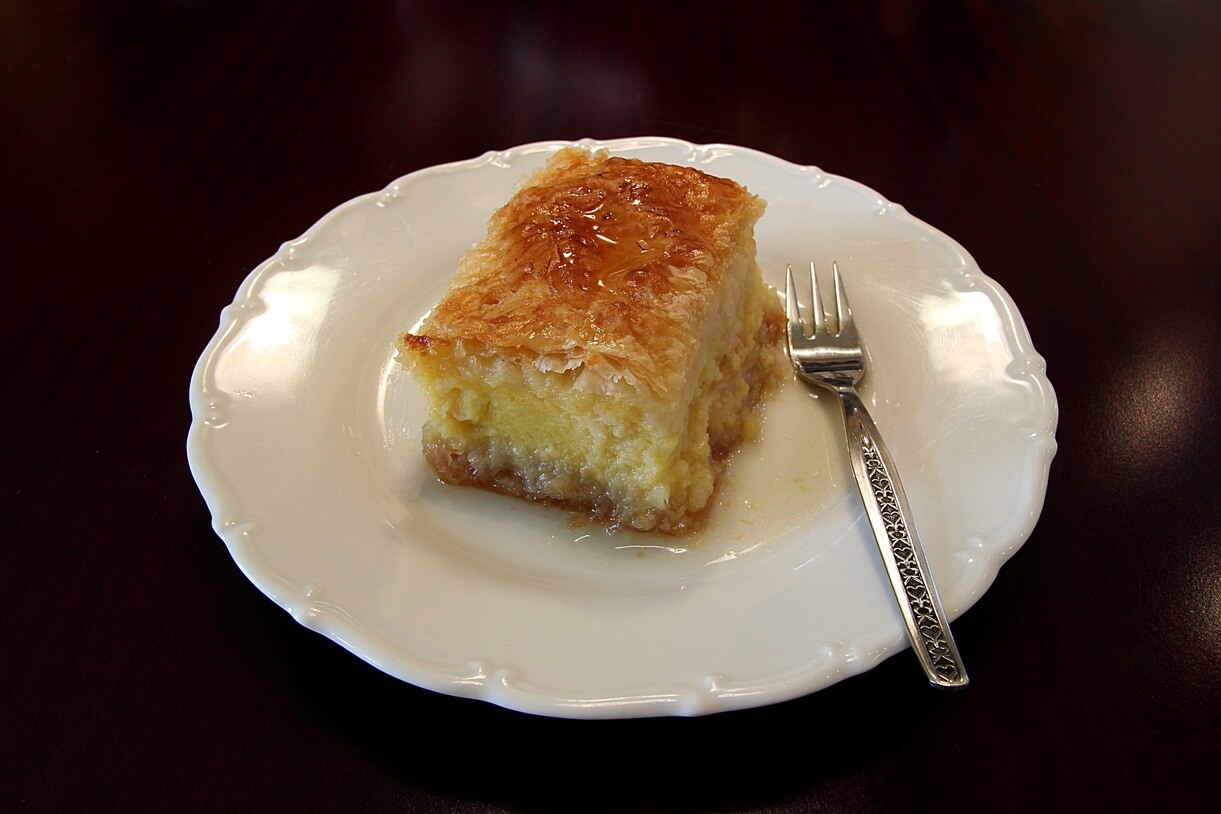

The origins of Greek desserts can be traced back to ancient times, when the Greeks developed a love for sweets made from honey, nuts, and fruits. Honey was a staple ingredient in early Greek cuisine, used to sweeten everything from bread to wine. Over time, as trade routes expanded, new ingredients such as almonds, pistachios, and spices like cinnamon and cloves found their way into Greek kitchens. This fusion of local and imported elements led to the creation of many of the desserts we know today.
One of the most iconic Greek desserts is baklava, a layered pastry filled with chopped nuts and sweetened with syrup. Its origins are often debated, with some attributing it to the Ottoman Empire and others linking it to ancient Greece. Regardless of its exact beginnings, baklava has become a symbol of Greek hospitality and celebration. Another popular dessert is kourabiedes, which are small, buttery cookies dusted with powdered sugar and often flavored with orange blossom water. These cookies are traditionally enjoyed during holidays and special occasions, making them an essential part of Greek culture.

For those eager to try their hand at Greek desserts, there are several classic recipes that are both simple and satisfying. One of the easiest to make is loukoumades, which are deep-fried dough balls soaked in honey and sprinkled with cinnamon. These golden, crispy treats are perfect for any gathering and can be served warm or cold. Another favorite is galaktoboureko, a custard-filled pastry wrapped in layers of flaky phyllo dough. The combination of creamy filling and crisp pastry creates a mouthwatering texture that is hard to resist.
For those who prefer something less indulgent, melomakarona is a great option. These soft, honey-soaked cookies are infused with cinnamon and orange zest, giving them a warm, aromatic flavor. They are often enjoyed with a cup of strong Greek coffee, making them a perfect afternoon treat. Another unique dessert is tsoureki, a braided bread topped with walnuts and coated in a sweet glaze. This bread is commonly eaten during Easter and other festive occasions, adding a touch of sweetness to celebrations. 
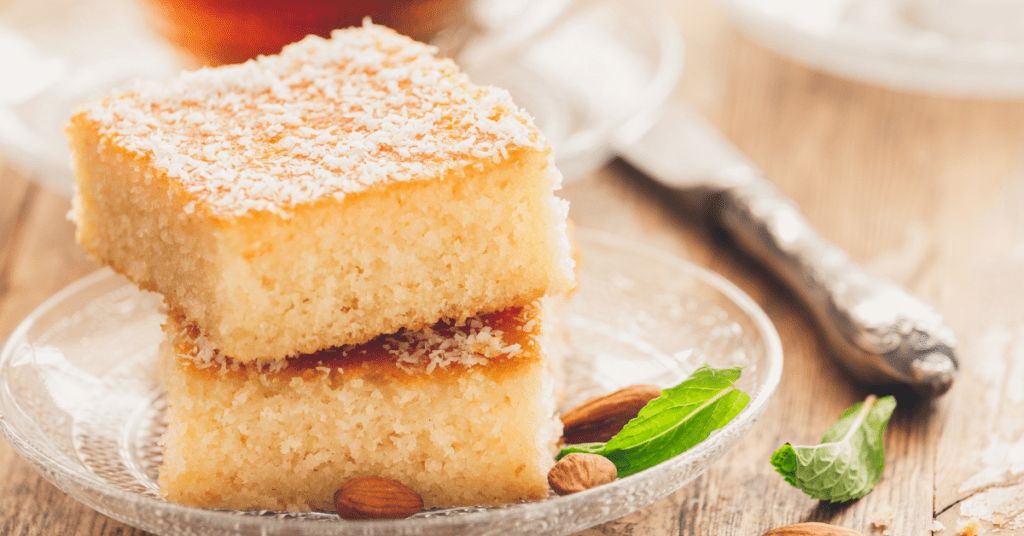
Baking Greek desserts at home requires a few key ingredients and techniques to achieve the authentic taste and texture. One of the most important elements is using high-quality olive oil, which adds a distinct flavor to many Greek pastries. Additionally, it's essential to use fresh nuts, as they contribute to the overall richness of the dessert. For those who are new to baking, starting with simpler recipes like loukoumades or kourabiedes can help build confidence before attempting more complex dishes like baklava or galaktoboureko.
Another tip is to pay attention to the timing and temperature when baking. Many Greek desserts require precise heat levels to ensure the right texture, whether it's a delicate phyllo dough or a gooey custard filling. It's also helpful to read through the recipe carefully before beginning, as some steps may seem straightforward but can significantly impact the final result. Lastly, don't be afraid to experiment with different flavors and toppings, as Greek desserts are known for their versatility and adaptability.
Beyond their delicious taste, Greek desserts hold a special place in the hearts of many people, especially those with Greek heritage. These treats are often associated with family gatherings, festivals, and religious celebrations, making them an integral part of social traditions. Sharing a plate of freshly baked baklava or a warm batch of kourabiedes with loved ones can create lasting memories and strengthen bonds. In addition, the act of preparing these desserts together can be a meaningful way to connect with one's roots and pass down culinary knowledge to future generations.
Comments
Post a Comment