on
General
- Get link
- X
- Other Apps
Greek Food Recipes Lamb Kleftiko: A Flavorful Guide to This Traditional Dish
Lamb Kleftiko is a beloved traditional Greek dish that has been enjoyed for generations, particularly in the regions of Crete and other parts of Greece. This slow-cooked lamb recipe is known for its rich flavor, tender meat, and the unique way it's prepared using a combination of herbs, garlic, and olive oil. The name "Kleftiko" translates to "robber's meat," a reference to the legend that bandits would cook the meat over an open fire while hiding from authorities. Today, this dish is a staple at family gatherings, festive occasions, and even in modern Greek restaurants around the world.

The origins of Lamb Kleftiko are deeply rooted in Greek history and culture. It is believed to have originated in the mountainous regions of Crete, where shepherds would prepare the dish by cooking lamb over an open flame. The method of cooking involved wrapping the meat in parchment paper or aluminum foil, which helped retain moisture and infuse the meat with the flavors of the herbs and spices used. Over time, this technique evolved into the modern version of the dish that is now widely recognized.
The cultural significance of Lamb Kleftiko extends beyond its taste. It represents the connection between the Greek people and their land, as well as the importance of family and community. In many Greek households, preparing this dish is a communal activity, with multiple generations working together to ensure the meal is cooked to perfection. The process of marinating the lamb, wrapping it in foil, and slow-cooking it is seen as a ritual that brings people together.

To make a delicious Lamb Kleftiko, you'll need a few essential ingredients that are commonly found in Greek cuisine. The main components include:
The preparation process begins with marinating the lamb in a mixture of olive oil, garlic, and herbs. This step allows the flavors to penetrate the meat and enhance its taste. Once marinated, the lamb is wrapped tightly in parchment paper or aluminum foil, ensuring that no air can escape. The wrapped meat is then placed on a baking sheet and cooked in a preheated oven at a low temperature for several hours. The slow cooking process ensures that the meat becomes incredibly tender and juicy.
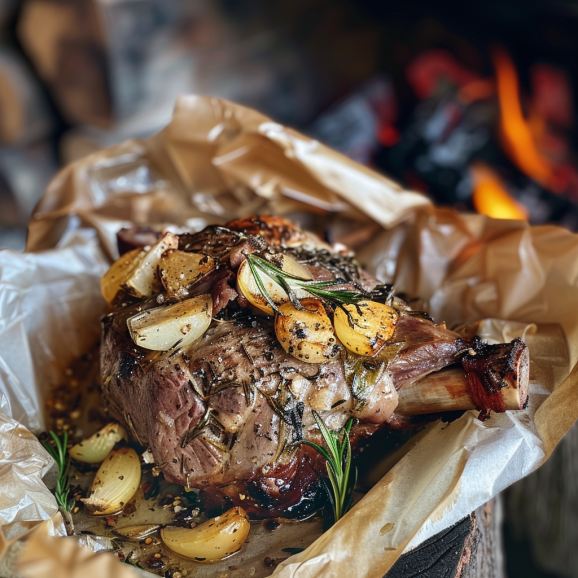
There are a few key techniques and tips that can help you achieve the best results when making Lamb Kleftiko. One important tip is to use high-quality ingredients, especially fresh herbs and extra virgin olive oil. These elements play a significant role in the overall flavor of the dish. Another tip is to allow the lamb to rest for a few minutes after cooking, which helps the juices redistribute and makes the meat easier to carve.
For those who prefer a more hands-on approach, some cooks choose to cook the lamb over an open fire or on a grill, similar to how it was traditionally prepared. This method can add a smoky flavor to the dish, enhancing its authenticity. However, using an oven is a more convenient option for most home cooks, as it allows for consistent heat and easier monitoring.
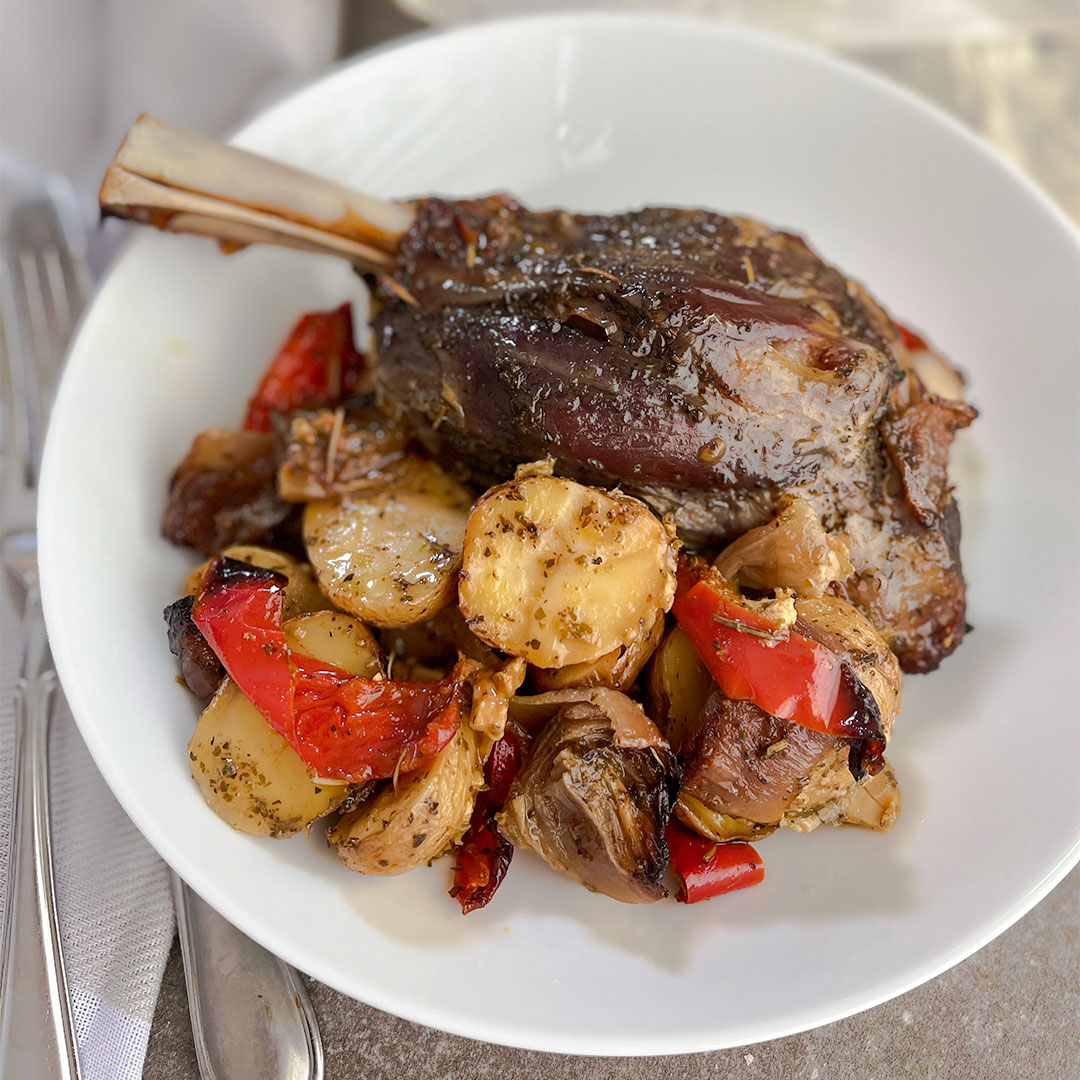
Lamb Kleftiko is often served with a variety of side dishes that complement its rich flavor. Common accompaniments include:
When serving Lamb Kleftiko, it's best to present the dish in a way that highlights its appearance. The meat should be carved into thick slices and arranged on a platter, with the juices from the cooking process drizzled over the top. Garnishing with fresh herbs adds a final touch of elegance and freshness.

While the traditional recipe for Lamb Kleftiko remains popular, there are also modern variations that have emerged in recent years. Some chefs have experimented with different herbs, spices, and cooking methods to create new twists on the classic dish. For example, adding lemon zest or citrus juice can give the lamb a bright, zesty flavor. Others may incorporate local ingredients, such as potatoes or carrots, to create a more diverse meal.
Despite these variations, the essence of Lamb Kleftiko remains unchanged. It continues to be a symbol of Greek culinary tradition and a favorite among food lovers around the world. Whether enjoyed in a traditional setting or adapted to suit modern tastes, this dish is a testament to the enduring appeal of Greek cuisine.
Comments
Post a Comment