on
General
- Get link
- X
- Other Apps
Greek Food Recipes Moussaka: A Flavorful Journey Through This Classic Dish
Moussaka is a beloved Greek dish that has captured the hearts of food lovers around the world. This rich and hearty casserole is made with layers of eggplant, ground meat, and a creamy béchamel sauce, creating a symphony of flavors that are both comforting and satisfying. Whether you're a seasoned cook or a beginner in the kitchen, preparing moussaka can be a rewarding experience that brings the essence of Greece to your table.

Moussaka has deep roots in Greek cuisine, with its origins tracing back to the Ottoman Empire. The word "moussaka" comes from the Turkish "musakka," which means "to mix." Over time, this dish evolved as it was adopted by various Mediterranean cultures, each adding their own unique twist. In Greece, the dish became a staple, particularly in regions like Crete and the Peloponnese, where it's often served during special occasions and family gatherings.
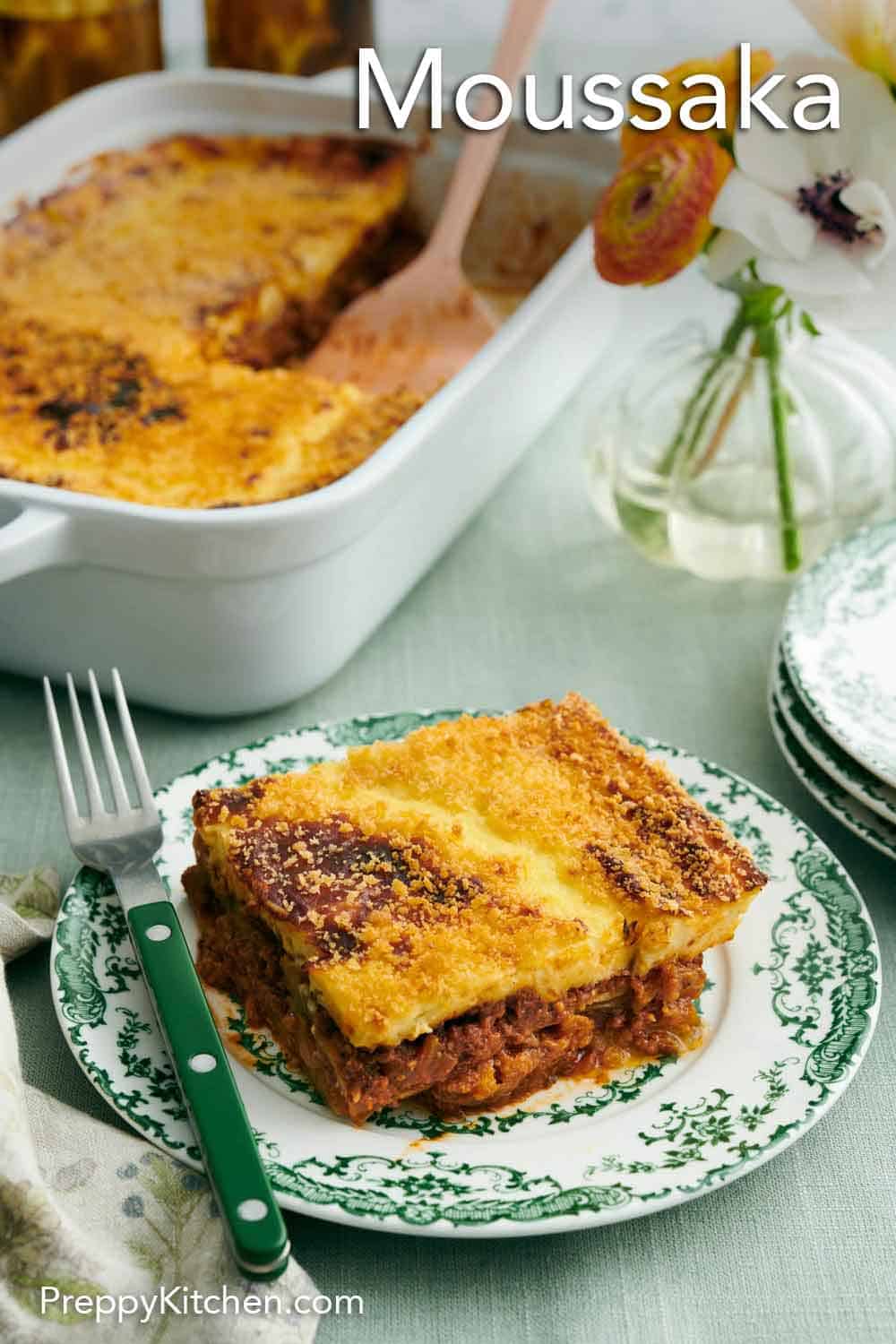
The traditional Greek moussaka is typically made with layers of sliced eggplant, a spiced meat mixture, and a smooth béchamel sauce. The combination of these ingredients creates a dish that is both savory and indulgent, making it a favorite among Greeks and non-Greeks alike.
To make authentic Greek moussaka, you'll need a few key ingredients. The foundation of the dish is fresh eggplant, which is usually sliced and either fried or baked to achieve a tender texture. The next layer is a meat filling, typically made with ground lamb or beef, seasoned with onions, garlic, tomatoes, and a blend of herbs such as oregano, cinnamon, and nutmeg. This meat layer is cooked until it's rich and flavorful, forming a base for the final layer of béchamel sauce.
The béchamel sauce is a crucial component of moussaka, adding a creamy and slightly sweet contrast to the savory layers below. Made with butter, flour, milk, and a touch of nutmeg, this sauce is simmered until it reaches a velvety consistency. Once all the layers are assembled, the moussaka is baked until the top is golden and bubbly, ensuring a perfect balance of textures and flavors.
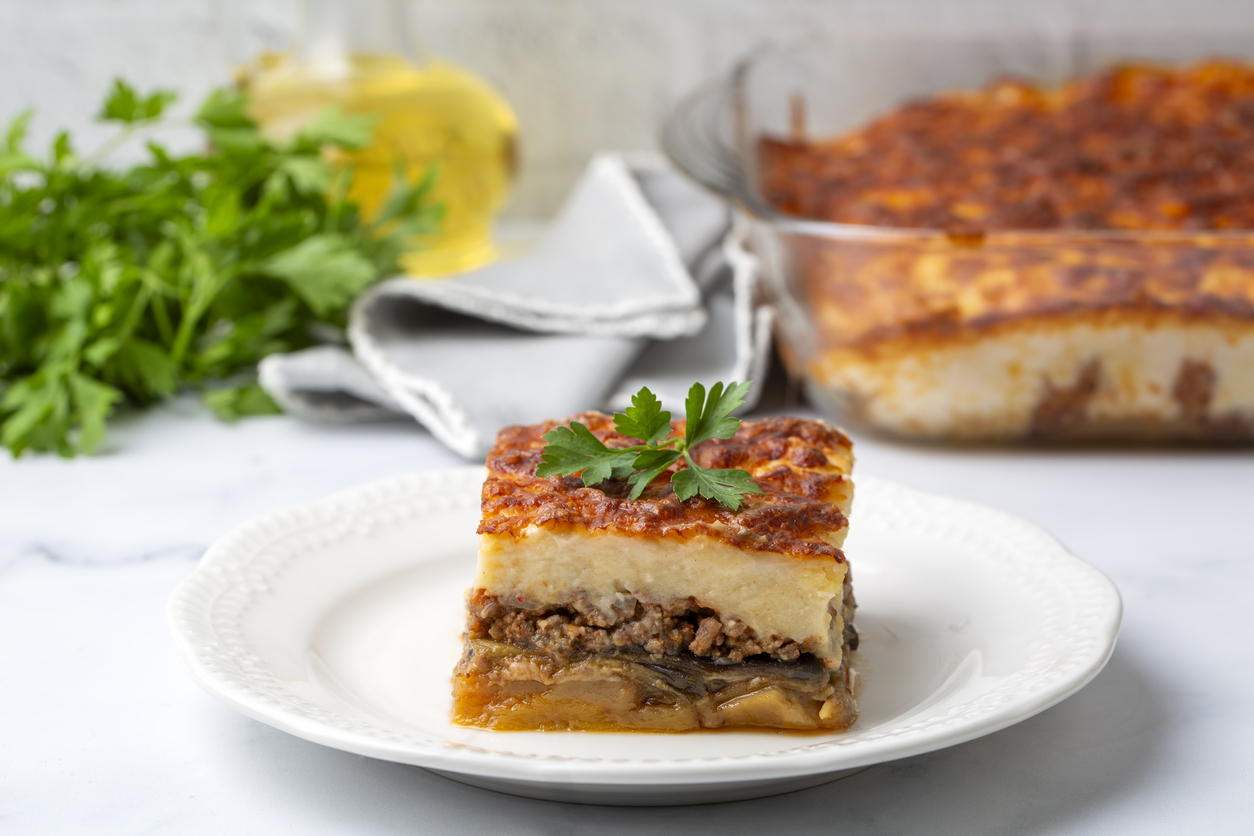
While the classic Greek moussaka remains popular, there are several regional variations that reflect the diversity of Greek cuisine. In some parts of Greece, especially in the northern regions, the dish may include potatoes instead of eggplant, resulting in a different texture and flavor profile. This variation, known as "pomodoro moussaka," is also popular in other Mediterranean countries.
Another variation is the use of different meats, such as chicken or pork, which can add a lighter taste to the dish. Some recipes also incorporate additional vegetables, such as zucchini or mushrooms, to enhance the nutritional value and depth of flavor. These adaptations highlight the versatility of moussaka and its ability to evolve while maintaining its core identity.
Creating the perfect moussaka requires attention to detail and a bit of patience. One of the most important steps is preparing the eggplant correctly. To avoid a soggy texture, it's recommended to salt the eggplant slices and let them sit for about 30 minutes before cooking. This process helps draw out excess moisture, ensuring that the eggplant becomes crispy when fried or baked.
When making the meat layer, it's essential to cook the onions and garlic thoroughly to build a strong flavor base. Adding a splash of red wine or vinegar can also enhance the richness of the meat mixture. For the béchamel sauce, using whole milk and a generous amount of nutmeg will give it that signature Greek flavor.

Once your moussaka is ready, it's best served warm, allowing the flavors to meld together and the textures to shine. It pairs well with a variety of side dishes, such as a simple green salad, crusty bread, or roasted vegetables. Some people also enjoy serving it with a glass of ouzo or a refreshing Greek salad to complement the meal.
Moussaka is not just a dish; it's a celebration of Greek culture and tradition. Its rich history, complex flavors, and comforting nature make it a dish that brings people together. Whether you're cooking it for a family dinner or a special occasion, moussaka is sure to impress with its delicious taste and cultural significance.

Greek moussaka is more than just a meal—it's a culinary journey that reflects the heart and soul of Greek cuisine. From its humble beginnings to its modern-day popularity, this dish continues to captivate food lovers with its layers of flavor and warmth. By following traditional techniques and embracing regional variations, you can create a moussaka that is both authentic and personal. So, gather your ingredients, preheat your oven, and embark on a flavorful adventure with this classic Greek dish.
Comments
Post a Comment