on
General
- Get link
- X
- Other Apps
Greek foods and recipes have long been celebrated for their vibrant flavors, fresh ingredients, and deep cultural roots. Originating from the Mediterranean region, Greek cuisine is a reflection of the country's history, geography, and way of life. From hearty stews to light salads, every dish tells a story of tradition and simplicity. The foundation of Greek cooking lies in its use of olive oil, fresh vegetables, legumes, and grains, all of which are staples in the local diet. This article explores the essence of Greek cuisine, highlighting key dishes, traditional methods, and the significance of food in Greek culture. 
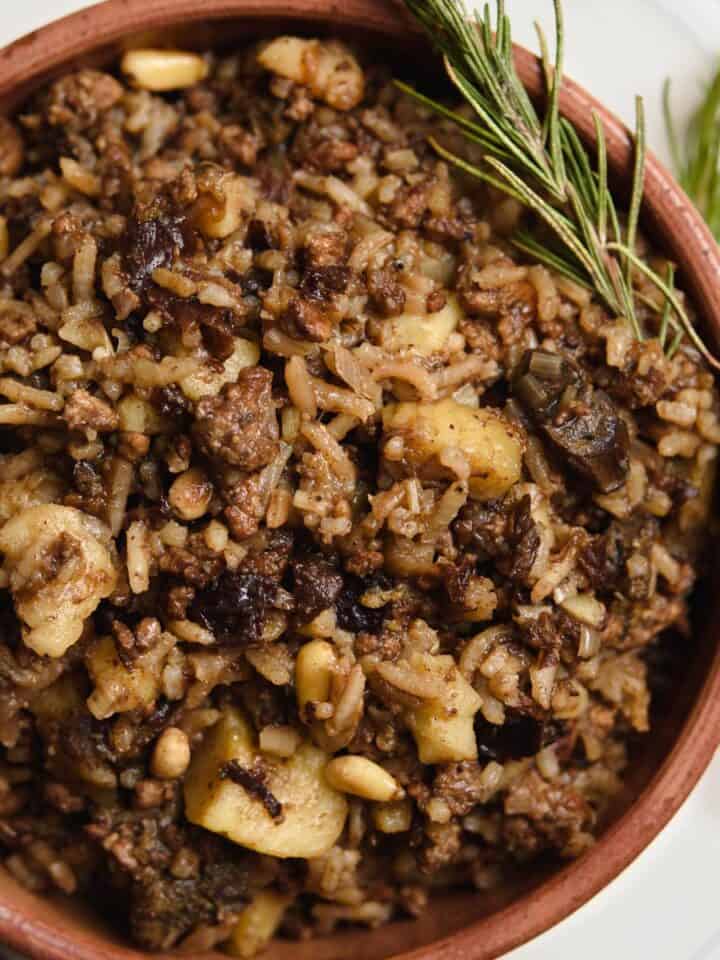
At the heart of Greek cuisine is the concept of "Mediterranean diet," which emphasizes whole, unprocessed foods and a balance of nutrients. This approach not only promotes health but also enhances the natural flavors of each ingredient. Olive oil is the cornerstone of Greek cooking, used in everything from dressings to frying. It is often infused with herbs like oregano or rosemary, adding depth and aroma to dishes. Another essential element is the use of fresh produce, such as tomatoes, eggplants, zucchini, and cucumbers, which are commonly featured in salads and side dishes.
Legumes and grains play a significant role in Greek meals, providing a rich source of protein and fiber. Fava bean puree, known as "koupepia," is a popular dip made from yellow split peas, while "loukoumades" are small dough balls fried in honey and cinnamon. These dishes highlight the versatility of simple ingredients and the importance of sustainability in Greek culinary practices.
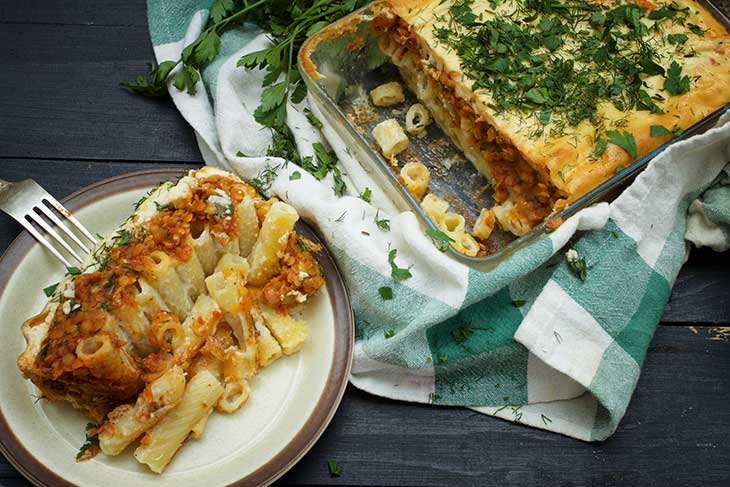
Greek cuisine is renowned for its variety of iconic dishes that have gained international recognition. One of the most famous is "souvlaki," which consists of grilled meat skewers served with pita bread, tzatziki sauce, and fresh vegetables. The meat, typically pork or chicken, is marinated in olive oil, lemon juice, and herbs before being cooked over an open flame. This dish reflects the influence of ancient Greek traditions and the emphasis on outdoor dining.
Another beloved dish is "pastitsio," a baked pasta casserole layered with ground meat, béchamel sauce, and a golden crust. This dish is often considered a comfort food and is a staple at family gatherings. Similarly, "melitzanosalata," a smoky eggplant dip, showcases the use of roasted vegetables and garlic, creating a creamy texture that pairs well with bread or vegetables. These dishes exemplify the richness and diversity of Greek flavors.

The preparation of Greek dishes often involves time-honored techniques passed down through generations. One such method is grilling, which is used extensively in both street food and home cooking. The use of clay pots and open flames adds a unique smokiness to dishes like "fakolivano," a slow-cooked lamb stew. This method not only enhances the flavor but also preserves the natural juices of the meat.
Another traditional technique is the use of fermentation, particularly in the production of "tsoureki," a sweet bread flavored with orange blossom water and spices. Fermentation also plays a role in making "yiourti," a thick yogurt that is a common breakfast item. These methods reflect the resourcefulness of Greek cooks and their ability to create flavorful dishes with minimal ingredients.

In Greece, food is more than just sustenance; it is a central part of social and family life. Meals are often shared among loved ones, emphasizing the importance of community and togetherness. Festivals and religious celebrations are marked by special dishes, such as "kipferi," a crescent-shaped pastry enjoyed during Christmas. These occasions reinforce the connection between food and cultural identity.
Additionally, the concept of "symphonia," or harmony, is evident in Greek cuisine, where ingredients are balanced to create a well-rounded taste experience. This philosophy extends beyond the kitchen, influencing the way Greeks approach life with a sense of moderation and appreciation for simplicity.
For those interested in recreating Greek dishes at home, there are several tips to keep in mind. First, always use high-quality olive oil and fresh herbs to enhance the natural flavors of the ingredients. Second, invest in a good set of knives and cutting boards to ensure precise preparation. Third, experiment with different spices and seasonings to add depth to your dishes. Finally, don't be afraid to try new recipes and embrace the spirit of Greek cooking.
Comments
Post a Comment