on
General
- Get link
- X
- Other Apps
Greek mythology has long captivated the imagination of people around the world, and its influence extends beyond stories and art into everyday life. One fascinating way to bring these ancient tales to life is through food. By incorporating elements from Greek mythology into your cooking, you can create meals that are not only delicious but also steeped in history and symbolism. Whether you're a seasoned chef or a home cook looking to explore new flavors, there are numerous recipes inspired by Greek mythology that you can try at home. These dishes often reflect the values, deities, and legends of ancient Greece, making them a unique and meaningful addition to any meal.

The connection between Greek mythology and food is deeply rooted in the culture of ancient Greece. Many of the gods and goddesses were associated with specific foods, and their myths often involved feasts, offerings, and sacred rituals. For example, Demeter, the goddess of agriculture and harvest, was honored with grain-based dishes, while Dionysus, the god of wine and revelry, was celebrated with grape-based beverages and festive meals. These associations have influenced traditional Greek cuisine for centuries, and today, they continue to inspire modern recipes that pay homage to the past.
One of the most iconic examples of this influence is the use of olive oil in Greek cooking. The olive tree was considered sacred in ancient Greece, and its fruit was believed to be a gift from the goddess Athena. Olive oil remains a staple in Greek cuisine, used in everything from salads to roasted vegetables and grilled meats. By using high-quality olive oil in your own recipes, you can connect with this rich culinary heritage.
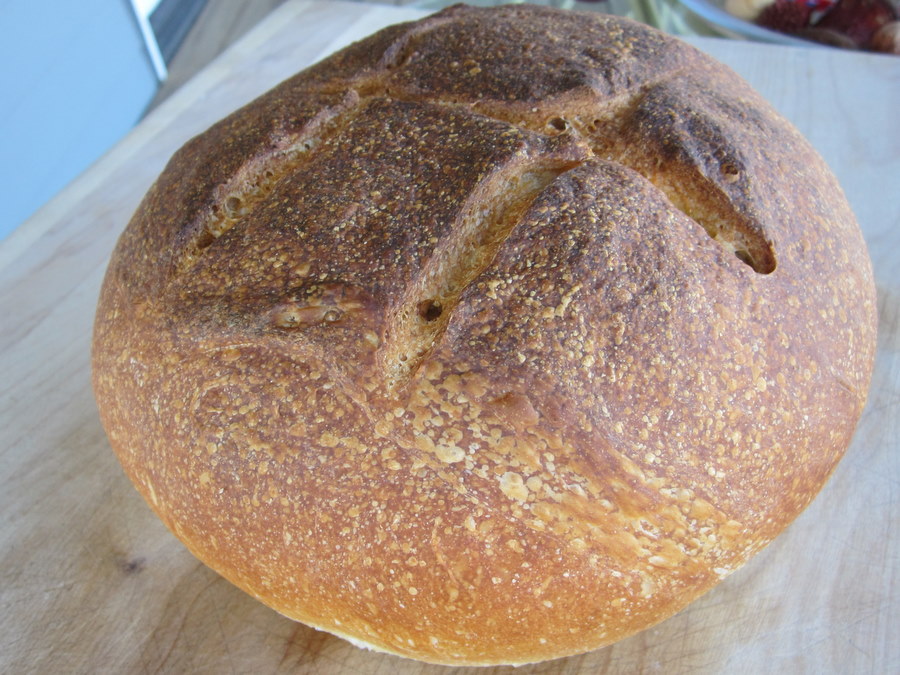
There are countless recipes that draw inspiration from Greek mythology, each offering a unique way to experience the flavors and stories of ancient Greece. One popular dish is "Hestia's Hearth Bread," named after Hestia, the goddess of the hearth and home. This recipe features a simple, rustic bread made with whole wheat flour, water, and a touch of honey, reflecting the warmth and comfort associated with Hestia's domain. The bread is often served with olive oil and fresh herbs, creating a meal that feels both nourishing and comforting.
Another mythologically inspired dish is "Aphrodite's Love Cake," which celebrates the goddess of love and beauty. This cake is typically made with almonds, honey, and rose water, ingredients that were traditionally associated with Aphrodite. The cake is often decorated with edible flowers and sprinkled with powdered sugar, adding a touch of elegance that mirrors the goddess's divine allure. Baking this cake is not only a delicious treat but also a way to honor the goddess of love.
In addition to individual recipes, there are entire meals that tell a story inspired by Greek mythology. One such example is the "Olympian Feast," a multi-course meal that represents the different aspects of the Olympian gods. Each course is designed to reflect a specific deity, such as a seafood dish for Poseidon, the god of the sea, or a fruit salad for Persephone, the goddess of spring and the underworld. This type of meal is perfect for special occasions or gatherings, allowing guests to experience the richness of Greek mythology through their taste buds.
Another storytelling dish is "The Labors of Hercules," a set of recipes that represent the twelve labors performed by the legendary hero. Each labor is associated with a different ingredient or technique, such as roasting meat for the Nemean Lion or preparing a spicy sauce for the Augean stables. This approach not only makes the meal more engaging but also adds an educational element, as diners can learn about the myths behind each dish.
If you're interested in creating your own mythological meals, start by researching the deities and myths that resonate with you. Choose a theme, such as the gods of the sea, the harvest, or the underworld, and build your menu around that concept. Incorporate ingredients that were significant in ancient Greek culture, such as olives, figs, and honey, and consider how each dish can reflect the characteristics of the mythological figure it represents.
For example, a meal inspired by the god Apollo could include dishes that symbolize light, music, and prophecy. A simple salad with pomegranates, walnuts, and arugula could represent the sun and vitality, while a dessert featuring citrus and mint could evoke the musical and poetic nature of Apollo. By thinking creatively, you can turn your kitchen into a space where mythology comes alive through food.



Comments
Post a Comment