on
General
- Get link
- X
- Other Apps
Greek peasant food recipes have long been a testament to the resilience and ingenuity of rural communities in Greece. These dishes, often made with humble ingredients, reflect the deep connection between the people and their land. Rooted in tradition, these recipes are simple yet flavorful, offering a glimpse into the cultural heritage of Greece. From hearty stews to fresh vegetables, each dish tells a story of sustenance, simplicity, and community. 
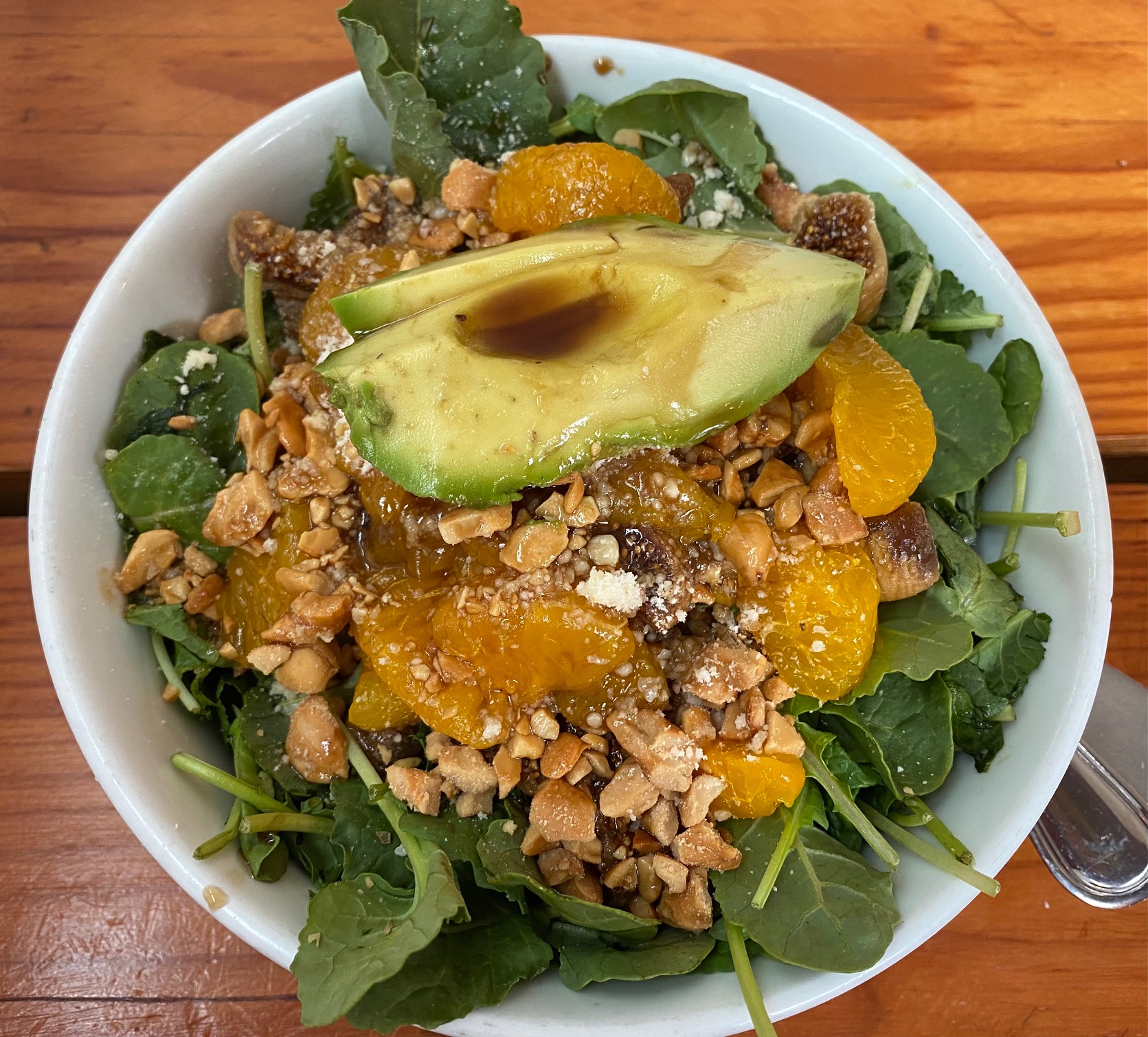
At the heart of Greek peasant food is the use of locally available ingredients. Staples such as olive oil, legumes, grains, and vegetables form the base of most meals. These ingredients are not only affordable but also rich in nutrients, making them ideal for daily consumption. Olive oil, in particular, is a cornerstone of Greek cuisine, used in everything from salad dressings to cooking methods like frying and roasting.
Legumes, including lentils, chickpeas, and fava beans, are commonly featured in peasant dishes. They provide a good source of protein and fiber, essential for a balanced diet. Grains like barley and bulgur are also widely used, often forming the basis of soups and porridges. Fresh vegetables, such as tomatoes, eggplants, and zucchini, are harvested seasonally and incorporated into various recipes. This reliance on seasonal produce ensures that the meals are both nutritious and deeply tied to the rhythms of nature.

One of the most iconic dishes in Greek peasant cuisine is fakes (also known as fakés). This simple yet satisfying soup is made with white beans, tomatoes, and herbs, often served with crusty bread. It is a staple in many households, especially during the colder months. Another beloved dish is loukoumades, which are small, deep-fried dough balls soaked in honey and sprinkled with cinnamon. Though traditionally associated with celebrations, they are also enjoyed as a treat by families.
Borsho is another traditional dish, though it is more commonly associated with Eastern European cuisine. However, a similar version exists in Greece, made with lentils and vegetables. This hearty stew is perfect for warming up on a chilly day. Gigantes plaki is another favorite, consisting of large white beans baked with tomatoes, garlic, and oregano. The dish is often served with rice or crusty bread, making it a complete meal.

The preparation of Greek peasant food relies heavily on traditional cooking techniques. Many dishes are slow-cooked over low heat, allowing flavors to develop and deepen. Stews, soups, and braises are common, as they require minimal effort and can be left to simmer while other tasks are completed.
In rural areas, open-fire cooking is still practiced, using wood-burning stoves or clay ovens. This method imparts a unique flavor to the food, enhancing its rustic appeal. Handmade tools, such as mortars and pestles, are also used for grinding spices and herbs, adding an extra layer of authenticity to the cooking process.
Greek peasant food is not just about sustenance; it is also a reflection of community and tradition. Meals are often shared among family and neighbors, reinforcing social bonds and cultural values. Festivals and special occasions frequently feature traditional dishes, ensuring that these recipes are passed down through generations.
The act of preparing these meals is often a communal effort, with multiple family members contributing to the cooking process. This collaborative approach fosters a sense of unity and strengthens ties within the community. Even in modern times, many Greeks continue to value these traditions, incorporating elements of peasant cuisine into their daily lives.

While many Greek peasant recipes remain unchanged, some have been adapted to suit contemporary tastes and lifestyles. For example, vegetarian versions of traditional meat-based dishes have become increasingly popular, catering to dietary preferences and health trends. Additionally, the global popularity of Greek cuisine has led to the incorporation of these recipes into international kitchens, introducing new audiences to the flavors of Greece.
Chefs and home cooks alike have experimented with these traditional dishes, adding modern twists while preserving their essence. This blending of old and new ensures that Greek peasant food continues to evolve, remaining relevant in today’s culinary landscape.
Greek peasant food recipes offer a window into the rich cultural heritage of Greece. Their simplicity, affordability, and nutritional value make them ideal for everyday meals, while their deep-rooted traditions add a sense of history and connection. Whether enjoyed in a rural village or a modern kitchen, these dishes continue to bring people together, celebrating the enduring spirit of Greek cuisine.
Comments
Post a Comment