on
General
- Get link
- X
- Other Apps
Greek Salad Dressing Recipe from Food Network Easy and Flavorful Twist
Greek salad dressing is a staple in many kitchens, especially for those who love the fresh, zesty flavors of Mediterranean cuisine. While traditional recipes often include olive oil, red wine vinegar, and a blend of herbs, the Food Network has introduced an easy and flavorful twist that elevates this classic dressing to new heights. This version not only simplifies the preparation process but also enhances the taste with a few clever additions. Whether you're hosting a summer barbecue or simply looking to add more flavor to your meals, this Greek salad dressing recipe is a must-try.
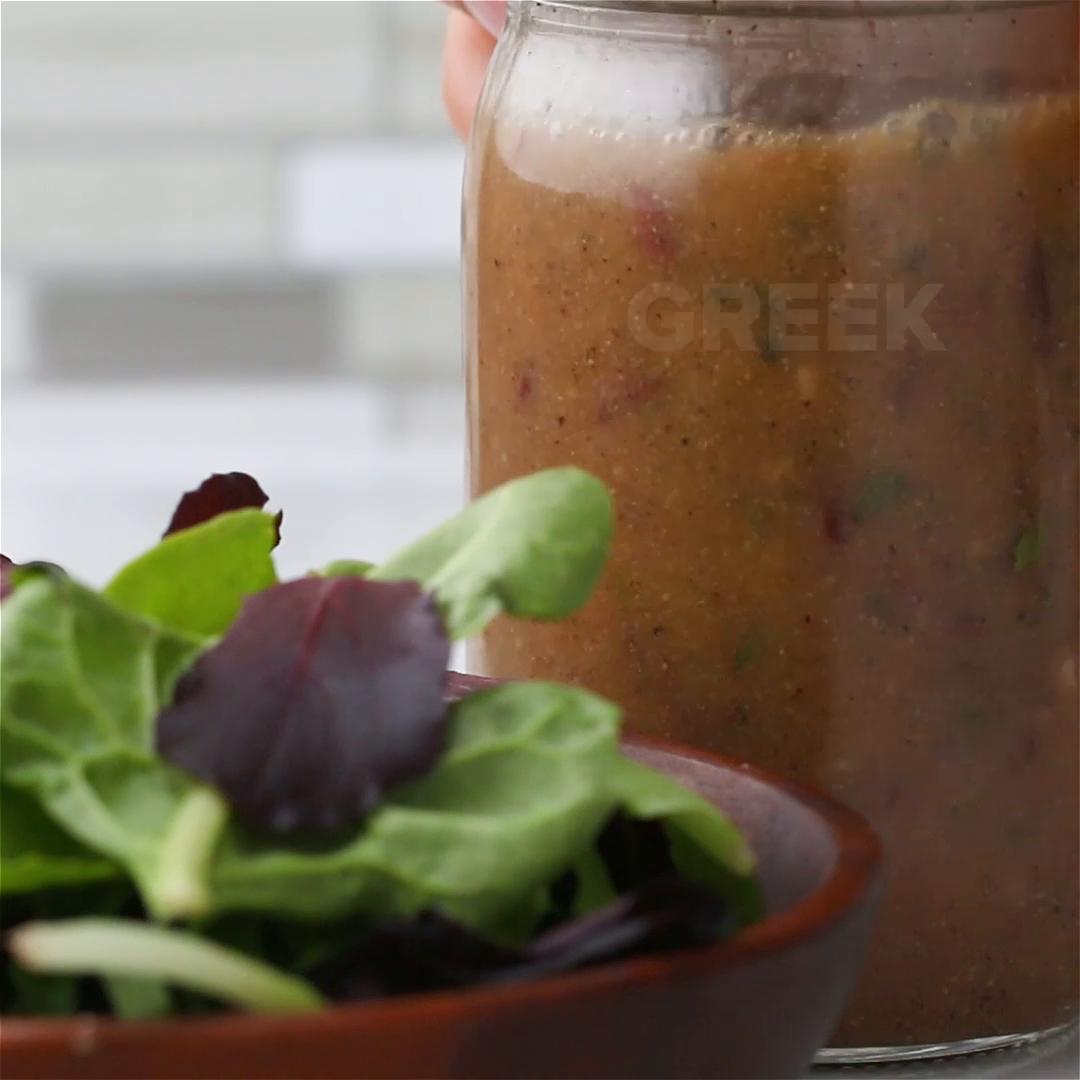
Before diving into the Food Network's twist, it's important to understand the foundation of a traditional Greek salad dressing. At its core, the dressing typically consists of olive oil, red wine vinegar, Dijon mustard, garlic, oregano, salt, and pepper. These ingredients work together to create a tangy, herbaceous flavor that complements the crisp vegetables and feta cheese in a Greek salad. However, the simplicity of the recipe can sometimes lead to a lack of depth, which is where the Food Network’s variation comes in.
The Food Network's version of Greek salad dressing takes the basic elements and adds a few key ingredients to enhance both the flavor and texture. One of the standout additions is the use of lemon juice, which provides a bright, citrusy note that balances the richness of the olive oil. Another unique element is the inclusion of capers, which add a briny, salty kick that gives the dressing a more complex profile. Additionally, the recipe calls for a touch of honey, which helps to mellow out the acidity and create a more rounded flavor.
This twist not only makes the dressing more vibrant but also makes it more versatile. It pairs well with a variety of salads, from simple green salads to more elaborate combinations with grilled vegetables and proteins. The ease of preparation is another major advantage, as the ingredients are all readily available and the steps are straightforward.
To make the Food Network’s Greek salad dressing, start by gathering the following ingredients:
- 1/4 cup extra virgin olive oil
- 2 tablespoons red wine vinegar
- 1 tablespoon freshly squeezed lemon juice
- 1 teaspoon Dijon mustard
- 1 clove garlic, minced
- 1 teaspoon dried oregano
- 1 teaspoon capers, chopped
- 1 teaspoon honey
- Salt and pepper to taste
Once you have all the ingredients ready, combine them in a small bowl or jar. Whisk or shake until the mixture is well blended. For a smoother consistency, you can use a blender or food processor, though a simple whisk works just fine. Allow the dressing to sit for at least 10 minutes to let the flavors meld together before using.

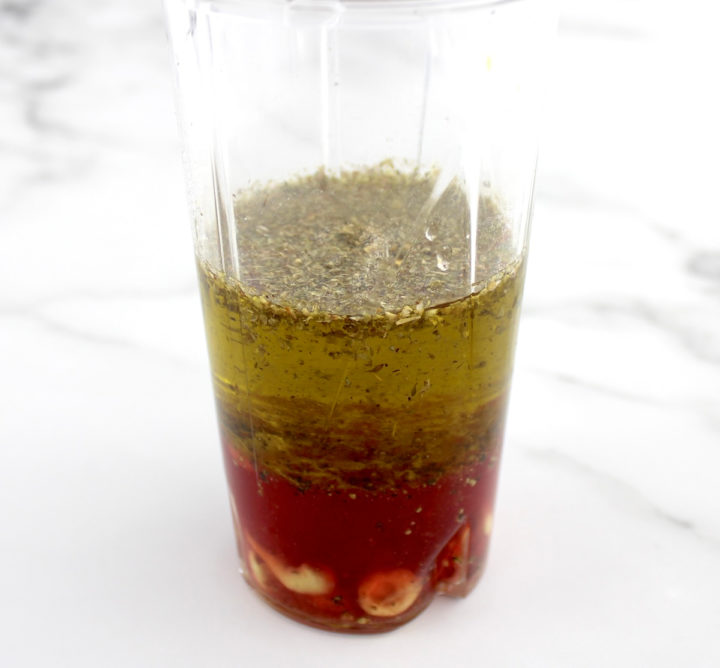
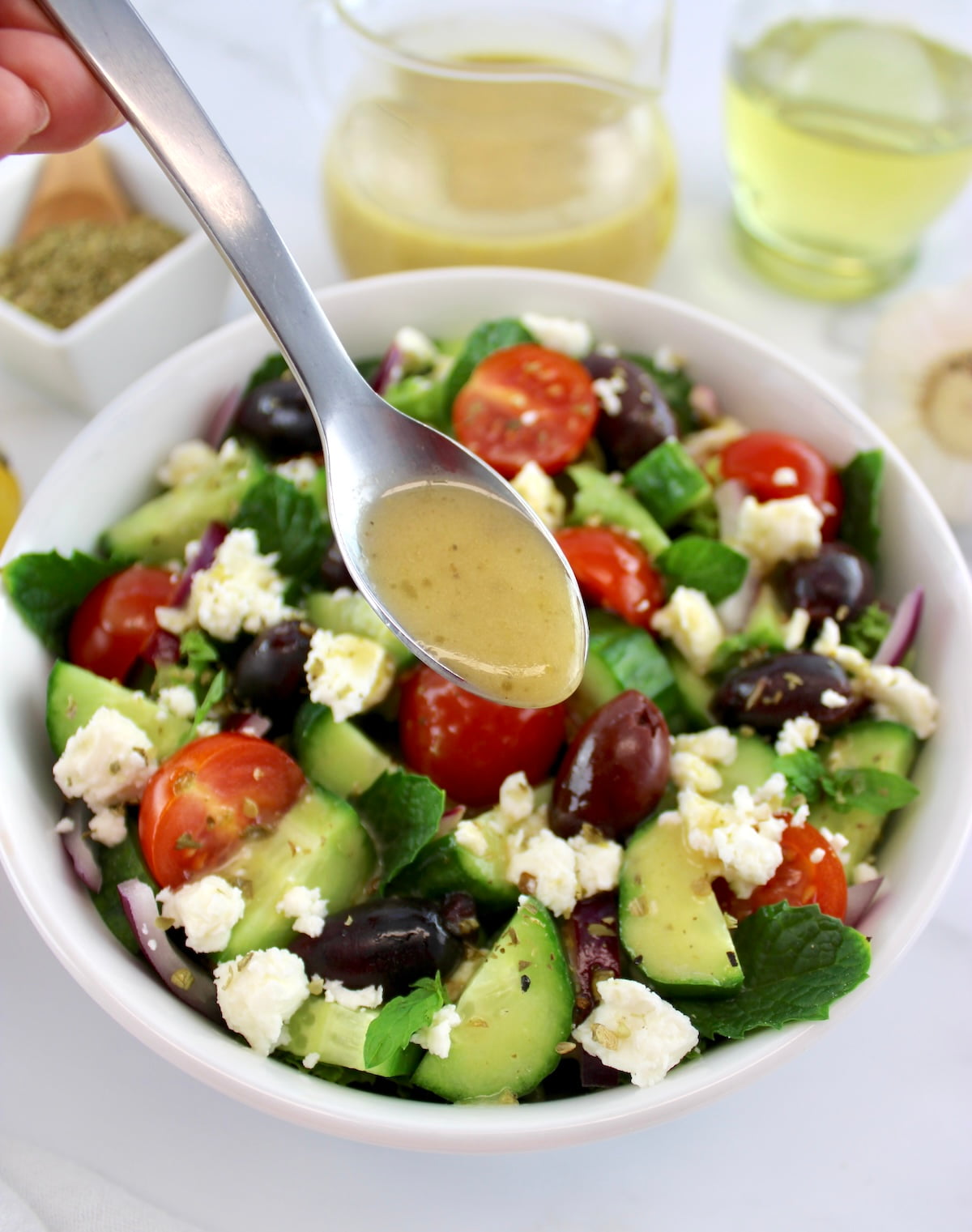

While the Food Network’s recipe is already delicious, there are several ways to customize it to suit your personal preferences. For example, if you prefer a creamier texture, you can add a splash of mayonnaise or Greek yogurt. If you want to make the dressing spicier, consider adding a pinch of red pepper flakes or a dash of hot sauce. Alternatively, you can experiment with different herbs such as parsley or dill to create a unique flavor profile.
Another great way to personalize the dressing is by adjusting the balance of sweet and sour elements. If you find the honey too overpowering, you can reduce the amount or omit it altogether. On the other hand, if you want a more pronounced tanginess, you can increase the quantity of red wine vinegar or lemon juice.
Once you’ve made the dressing, there are countless ways to enjoy it. The most obvious choice is to use it as a topping for a classic Greek salad, which typically includes cucumbers, tomatoes, bell peppers, red onions, Kalamata olives, and crumbled feta cheese. However, the dressing also works well with other types of salads, such as grain salads, pasta salads, or even as a dip for crusty bread.
For a more adventurous approach, try using the dressing as a marinade for grilled chicken or fish. The combination of olive oil, lemon juice, and herbs helps to infuse the protein with a burst of flavor while keeping it moist and tender. Additionally, the dressing can be used as a base for other sauces, such as a creamy avocado dressing or a spicy chipotle version.
The Food Network’s easy and flavorful twist on Greek salad dressing is a game-changer for anyone who loves the taste of Mediterranean cuisine. By incorporating a few additional ingredients and making minor adjustments to the traditional recipe, this version offers a more dynamic and versatile dressing that can be enjoyed in a variety of ways. Whether you’re a seasoned cook or a beginner in the kitchen, this recipe is sure to become a favorite in your repertoire. With its simple preparation and bold flavor, it’s no wonder that this dressing has gained so much popularity among food enthusiasts.
Comments
Post a Comment