on
General
- Get link
- X
- Other Apps
How to Make Authentic Greek Food Recipes at Home is a rewarding journey that brings the flavors of the Mediterranean into your kitchen. With a rich culinary tradition rooted in fresh ingredients, aromatic herbs, and time-honored techniques, Greek cuisine offers a diverse range of dishes that are both delicious and nutritious. Whether you're a seasoned cook or a beginner, mastering these recipes can transform your home cooking experience. By understanding the key elements of Greek cooking, such as olive oil, feta cheese, and traditional spices, you can recreate authentic meals that capture the essence of Greece. This article will guide you through the process of preparing classic Greek dishes, from appetizers to desserts, ensuring that each step is clear and easy to follow.
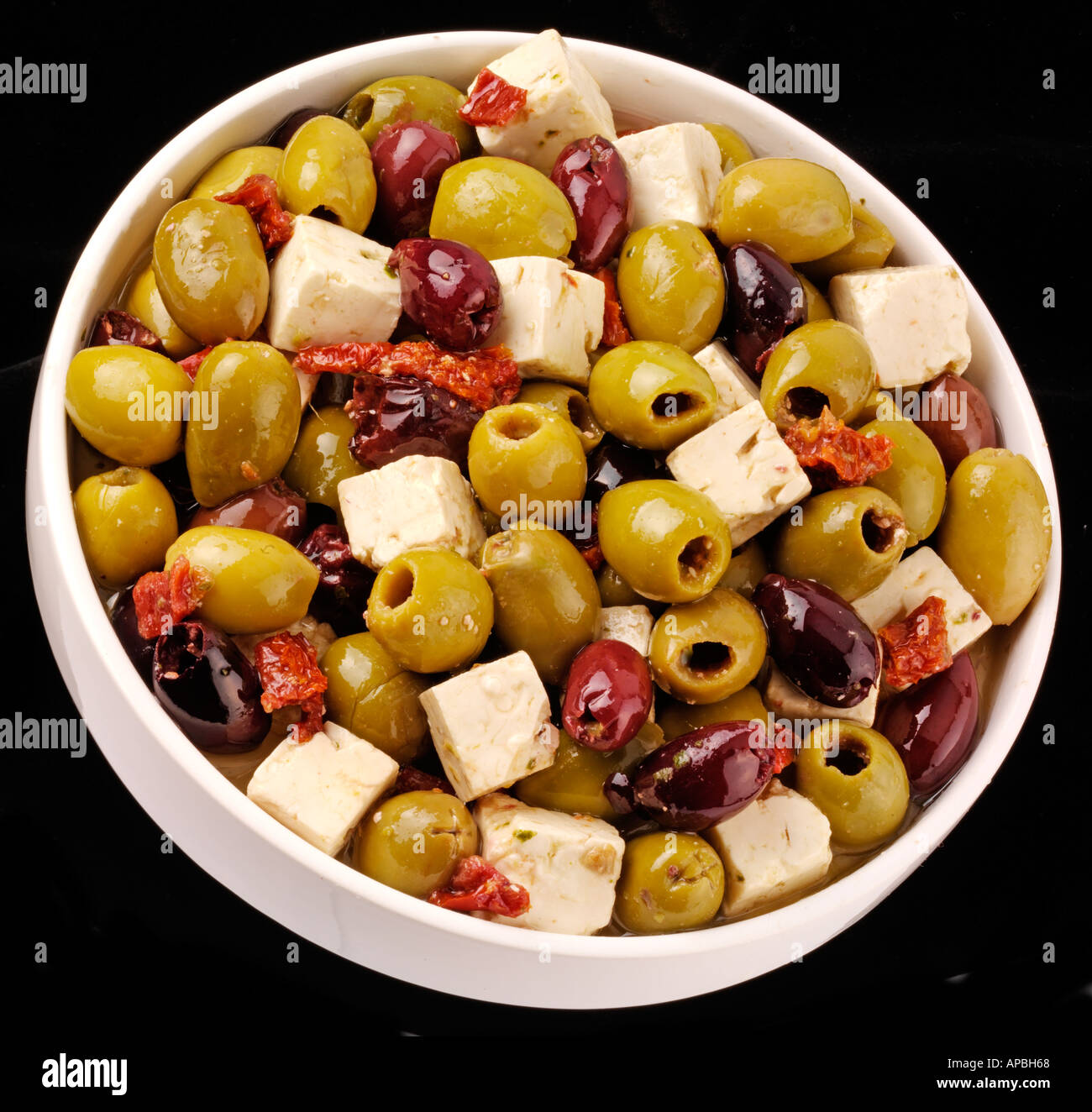
To create authentic Greek food, it's essential to start with the right ingredients. Olive oil is the foundation of many Greek dishes, providing a rich, fruity flavor that enhances the taste of everything from salads to grilled meats. Fresh vegetables like tomatoes, cucumbers, and eggplants are staples in Greek cuisine, often used in dishes such as moussaka and ratatouille. Feta cheese, made from sheep’s milk, adds a tangy and salty note to salads and pastries. Additionally, herbs like oregano, dill, and parsley are commonly used to infuse dishes with their distinct aromas.
Another crucial element is the use of legumes, particularly chickpeas and lentils, which form the basis of many traditional dishes. Hummus, a creamy dip made from chickpeas, tahini, and lemon juice, is a popular appetizer that showcases the versatility of these ingredients. Similarly, lentil soup is a hearty and comforting dish that highlights the nutritional value of legumes. By incorporating these fundamental components, you can build a solid foundation for your Greek cooking adventures.

Greek cuisine is renowned for its vibrant and flavorful appetizers and salads, which are often served as part of a larger meal. One of the most iconic dishes is tzatziki, a refreshing yogurt-based sauce infused with garlic, cucumber, and dill. To make tzatziki, simply mix Greek yogurt with grated cucumber, minced garlic, olive oil, and lemon juice. The result is a creamy and tangy dip that pairs perfectly with pita bread or fresh vegetables.
Another beloved appetizer is dolmades, which are grape leaves stuffed with a mixture of rice, pine nuts, and herbs. These bite-sized delights can be prepared ahead of time and are perfect for gatherings or as a snack. To make dolmades, you'll need grape leaves, rice, onions, and a blend of spices such as cinnamon and allspice. After stuffing the leaves, they are simmered in a tomato-based sauce, creating a dish that is both savory and slightly sweet.
For a simple yet satisfying salad, try greek salad, also known as horiatiko. This dish combines chopped tomatoes, cucumbers, red onions, green bell peppers, and Kalamata olives, all tossed with feta cheese and dressed with olive oil and red wine vinegar. The combination of textures and flavors makes this salad a staple in Greek households and a favorite among visitors.
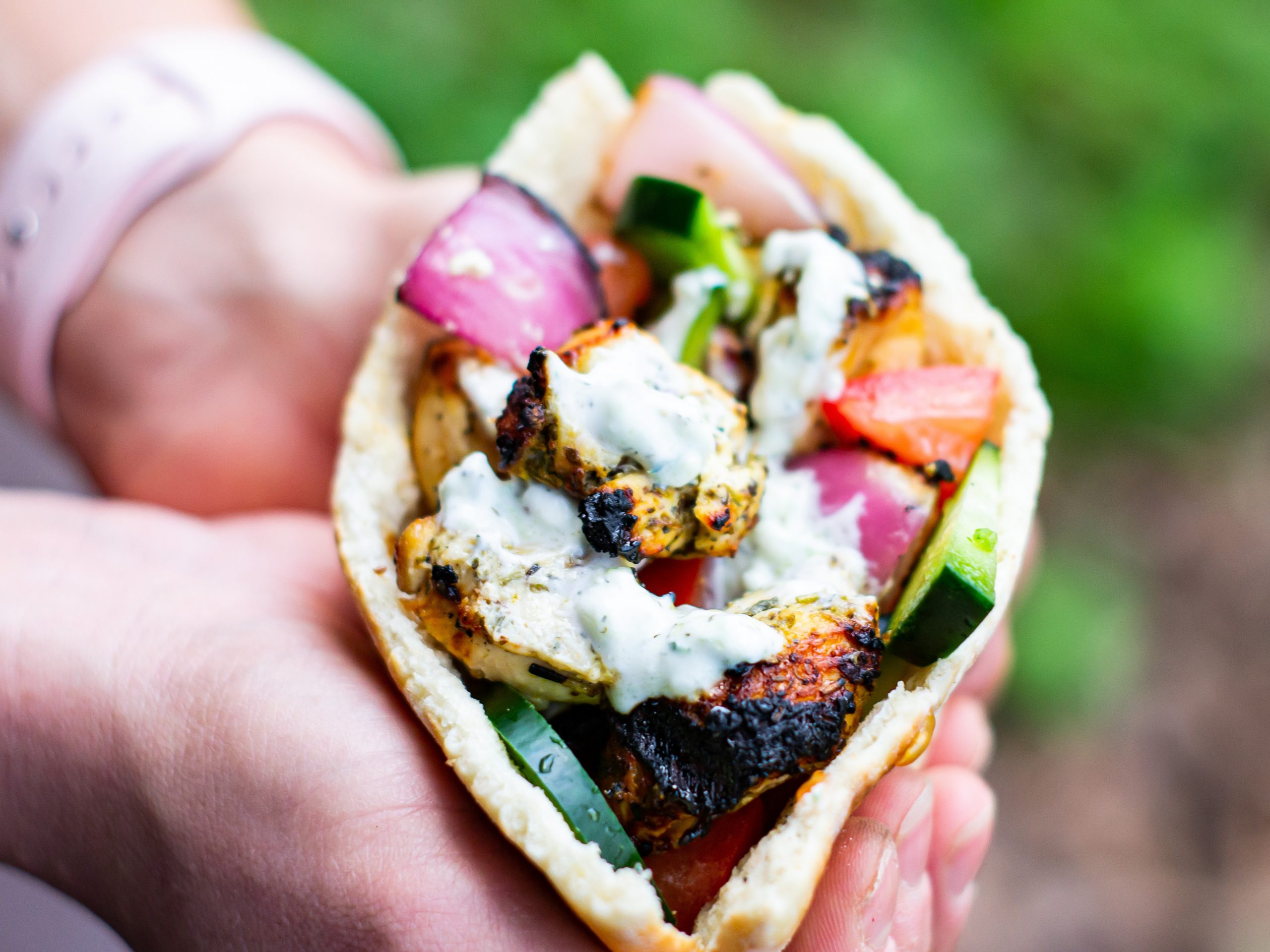
When it comes to main courses, Greek cuisine offers a variety of options that highlight the country's love for grilled meats and seafood. One of the most famous dishes is souvlaki, which consists of marinated meat skewers grilled over an open flame. Traditionally, souvlaki is made with lamb, but chicken or pork can also be used. The meat is usually marinated in olive oil, lemon juice, garlic, and oregano before being grilled to perfection. Served with pita bread, tzatziki, and a side of fries, souvlaki is a flavorful and satisfying meal.
Another popular main course is moussaka, a layered dish made with eggplant, ground meat, and a creamy béchamel sauce. The process involves slicing and frying the eggplant, then layering it with a mixture of ground beef or lamb, onions, and tomatoes. The top layer is covered with a rich and smooth béchamel sauce, which is baked until golden brown. Moussaka is a hearty and indulgent dish that showcases the depth of Greek cooking.
For those who prefer seafood, grilled octopus is a must-try. The octopus is first boiled to tenderize it, then grilled and served with a drizzle of olive oil, lemon juice, and a sprinkle of salt. This dish is often accompanied by a side of potatoes or a fresh salad, making it a complete and balanced meal. 

No Greek meal is complete without a sweet ending, and the country's desserts are as delightful as they are diverse. One of the most famous treats is baklava, a rich and flaky pastry made with layers of phyllo dough, chopped nuts, and a syrup infused with honey and cinnamon. The process of making baklava involves carefully layering the dough, filling it with a mixture of nuts and sugar, and then baking it until golden. Once cooled, the dessert is soaked in a sweet syrup, creating a sticky and irresistible treat.
Another beloved dessert is kataifi, a delicate pastry made from shredded wheat dough and filled with a mixture of nuts and sugar. The dough is folded into intricate shapes and deep-fried until crispy, then soaked in a sweet syrup. Kataifi is often enjoyed during special occasions and celebrations, adding a touch of sweetness to any gathering.
For a simpler option, galaktoboureko is a custard-filled pastry that combines the richness of a creamy custard with the flakiness of phyllo dough. The custard is made with milk, eggs, and sugar, while the phyllo layers add a crisp texture. Galaktoboureko is a classic dessert that is both elegant and satisfying, making it a favorite among Greeks and non-Greeks alike.
Comments
Post a Comment