on
General
- Get link
- X
- Other Apps
Vegan Greek food recipes have gained popularity in recent years as more people seek out healthy, plant-based meals that are both flavorful and satisfying. Rooted in the Mediterranean diet, Greek cuisine is naturally rich in vegetables, legumes, and whole grains, making it an ideal foundation for vegan dishes. From hearty salads to savory pastries, there's a wide array of options that can be adapted to fit a vegan lifestyle without sacrificing taste or authenticity. Whether you're hosting a dinner party or preparing a quick weeknight meal, these recipes offer a delicious way to enjoy the essence of Greece with a plant-based twist.
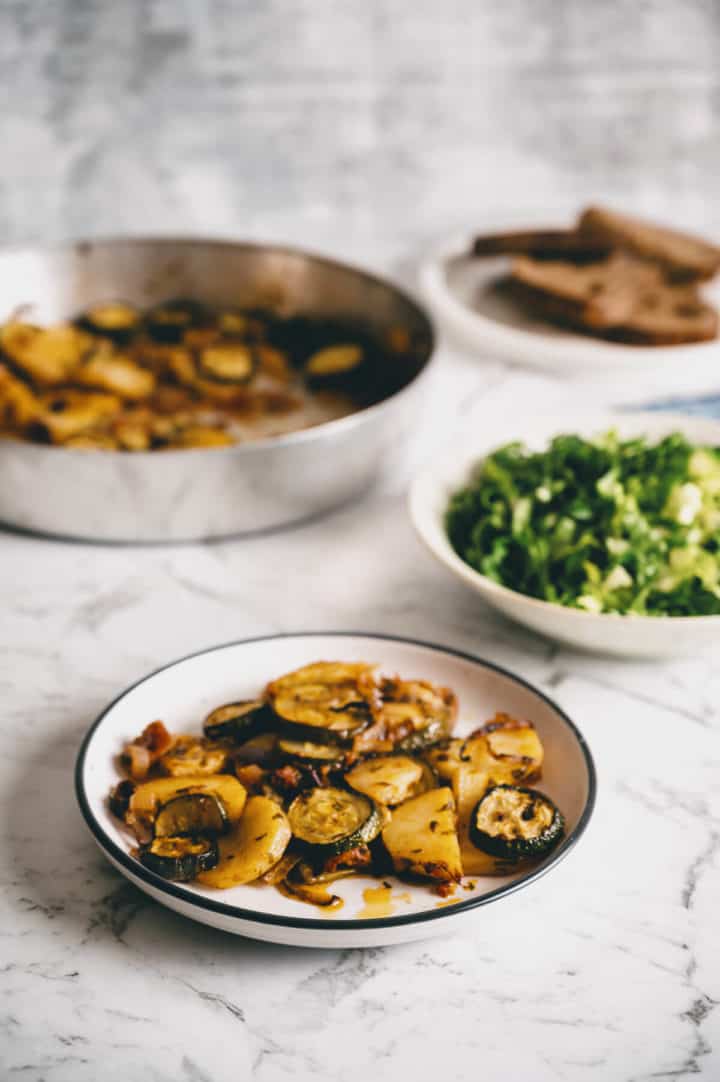
The key to creating authentic vegan Greek food lies in understanding the traditional ingredients and techniques used in classic dishes. Olive oil, fresh herbs like oregano and dill, and legumes such as chickpeas and lentils form the backbone of many Greek recipes. These elements not only add depth of flavor but also contribute to the nutritional value of the meals. By substituting animal products with plant-based alternatives, such as tofu, tempeh, or vegan cheese, you can maintain the integrity of the dish while making it suitable for a vegan diet.
One of the most iconic components of Greek cuisine is hummus, a creamy dip made from chickpeas, tahini, lemon juice, and garlic. This versatile spread can be enjoyed with pita bread, raw vegetables, or as a base for sandwiches. Another staple is falafel, which consists of deep-fried balls made from ground chickpeas, parsley, and spices. When prepared with a vegan-friendly batter, these crispy bites are a perfect addition to any meal.
There are countless ways to enjoy vegan Greek food, and some of the most popular dishes include:
These dishes highlight the versatility of Greek cuisine and show how easily it can be adapted to meet dietary preferences.
In addition to traditional dishes, there are many creative ways to incorporate Greek flavors into your meals. For example, you can use tzatziki sauce, typically made with yogurt, as a dip or dressing for roasted vegetables. A vegan version can be made with cashew cream, cucumber, and lemon juice. Similarly, moussaka, a baked casserole with eggplant and béchamel sauce, can be reimagined using a cashew-based béchamel and layers of roasted eggplant and zucchini.
Another fun approach is to experiment with Greek-inspired grain bowls. Start with a base of quinoa or farro, then add roasted vegetables, chickpeas, and a drizzle of olive oil and lemon juice. Top with chopped olives, sun-dried tomatoes, and a sprinkle of za'atar for an extra burst of flavor. This method allows you to customize your meal while staying true to the spirit of Greek cuisine.
Comments
Post a Comment