on
General
- Get link
- X
- Other Apps
Vegetarian Greek food has gained popularity in recent years, offering a delicious and healthy alternative to traditional meat-based dishes. With its rich history and vibrant flavors, Greek cuisine is perfect for those looking to explore plant-based options without sacrificing taste. This year, there are several vegetarian Greek food recipes that you must try to experience the full range of this culinary tradition. From classic staples to modern twists, these dishes showcase the diversity and depth of Greek cooking. Whether you're a seasoned cook or just starting out, these recipes are sure to impress and inspire.
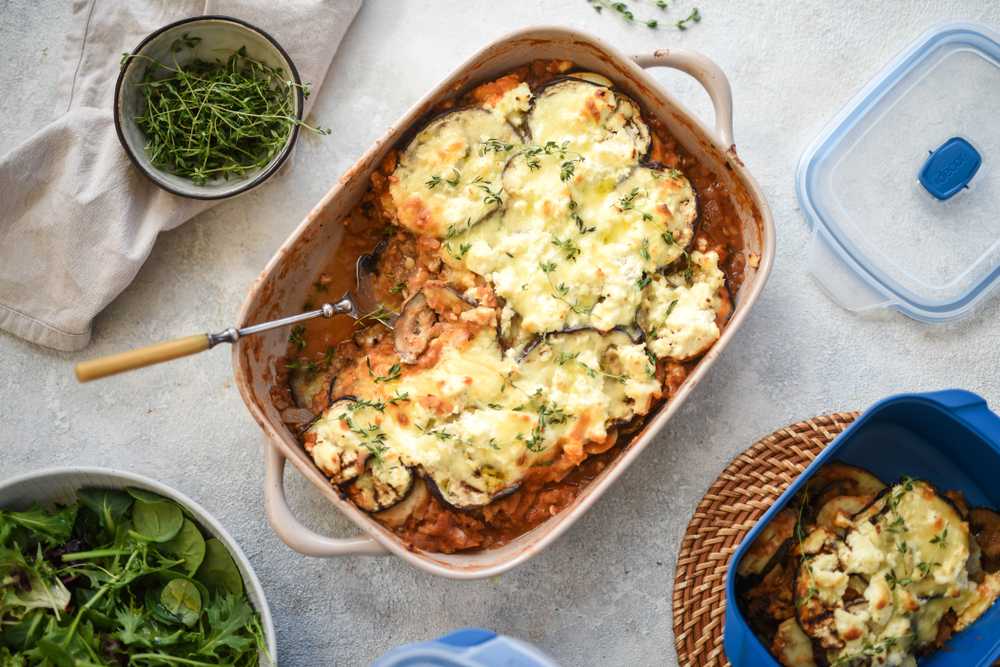
One of the most iconic vegetarian dishes in Greek cuisine is moussaka, a layered casserole made with eggplant, potatoes, and a creamy béchamel sauce. Traditionally, moussaka includes ground meat, but a vegetarian version uses a mixture of vegetables and spices to create a rich, savory flavor. The combination of roasted eggplant and potatoes provides a hearty base, while the béchamel sauce adds a smooth, indulgent finish. This dish is perfect for a family dinner or a special occasion, and it can be easily adapted to suit different dietary preferences.
Another essential vegetarian recipe is souvlaki, which typically features grilled meat skewers. However, a vegetarian version can be made using marinated vegetables such as bell peppers, zucchini, and mushrooms. These vegetables are grilled to perfection and served with pita bread, tzatziki, and fresh herbs. The smoky flavor of the grilled vegetables paired with the tangy tzatziki creates a delightful contrast that is both satisfying and refreshing. This dish is ideal for outdoor gatherings or casual meals at home.


For those looking to experiment with new flavors, modern twists on traditional Greek recipes offer exciting possibilities. One such dish is vegetarian spanakopita, a variation of the classic spinach and feta pastry. Instead of using cheese, this version incorporates a mix of spinach, onions, and herbs for a lighter, plant-based option. The flaky, buttery crust pairs perfectly with the savory filling, making it a versatile dish that can be enjoyed as an appetizer or a main course.
Another innovative recipe is loukoumades, which are deep-fried dough balls soaked in honey and sprinkled with cinnamon. While traditional loukoumades often include nuts, a vegan version can be made using coconut oil and agave nectar for a cruelty-free alternative. These sweet treats are perfect for dessert or a snack, and they add a touch of indulgence to any meal. Their crispy texture and sweet flavor make them a favorite among both children and adults.

Greek cuisine is known for its emphasis on fresh, whole ingredients, making it an excellent choice for those seeking healthy and nutritious meals. A great example is greek salad, which typically includes tomatoes, cucumbers, red onions, olives, and feta cheese. A vegetarian version of this salad replaces the cheese with a mix of chickpeas, lentils, or tofu for added protein and fiber. The bright colors and crisp textures of the vegetables combined with a simple olive oil and lemon dressing make this salad a refreshing and wholesome option.
Another healthy choice is baked eggplant with garlic and oregano, a simple yet flavorful dish that highlights the natural sweetness of eggplant. The eggplant is baked until tender and then topped with a mixture of garlic, olive oil, and dried oregano. This dish can be served as a side or incorporated into other recipes, such as sandwiches or grain bowls. Its earthy flavor and aromatic herbs make it a versatile addition to any meal.

To get the most out of your vegetarian Greek cooking experience, consider the following tips. First, use high-quality ingredients such as extra virgin olive oil, fresh herbs, and locally sourced vegetables to enhance the flavors of your dishes. Second, experiment with different spices and seasonings to create unique and authentic flavors. For example, adding sumac or za'atar can give your dishes a distinct Mediterranean twist. Third, don't be afraid to adjust traditional recipes to suit your dietary needs or preferences. Many Greek dishes can be easily modified to be vegan, gluten-free, or low-carb without compromising their taste or authenticity.
Additionally, investing in a good set of kitchen tools, such as a mandoline for slicing vegetables or a food processor for making sauces, can make the cooking process more efficient and enjoyable. Finally, take the time to learn about the history and cultural significance of Greek cuisine. Understanding the origins of these dishes can deepen your appreciation for the food and inspire you to try new recipes and techniques.
Comments
Post a Comment